Song Meaning
The lyrics paint a stark picture of life within a refugee camp, where uncertainty is the only constant. The opening lines immediately establish a pervasive sense of dread and transience, with the "grey skies" and "dreams hastily scrawled on the walls" suggesting a fragile existence under oppressive conditions. The children's game of "Death" is a chilling detail, highlighting how the youngest are forced to confront mortality in their daily lives.
The central tension lies in the brutal unpredictability of life and death, amplified by the media's fleeting attention. Heroes are declared dead, ordinary people become headlines for mere seconds, and then they "vanish without a trace." This highlights the ephemeral nature of recognition and the overwhelming flow of events that quickly bury individual tragedies. The repetition of "No-one knows, no-one knows" underscores this profound lack of control and the anonymity of suffering.
The most striking craft element is the juxtaposition of grim reality with a flicker of defiant hope. Despite the pervasive darkness, the narrator asserts, "But I know that tomorrow's victims / Will bring a new dawn closer." This suggests a belief that even in the face of immense loss, each sacrifice, each life extinguished, contributes to an eventual, albeit distant, liberation or change. It's a powerful statement of enduring faith amidst utter despair.
This lyrical approach is effective because it grounds its profound message in concrete, unsettling imagery rather than abstract pronouncements. The "game" of death and the "current of another day's events" are potent metaphors for the overwhelming forces at play. The final assertion of knowledge, contrasting with the repeated "no-one knows," offers a complex emotional resolution—a personal conviction that transcends the surrounding chaos and offers a sliver of meaning to the suffering.
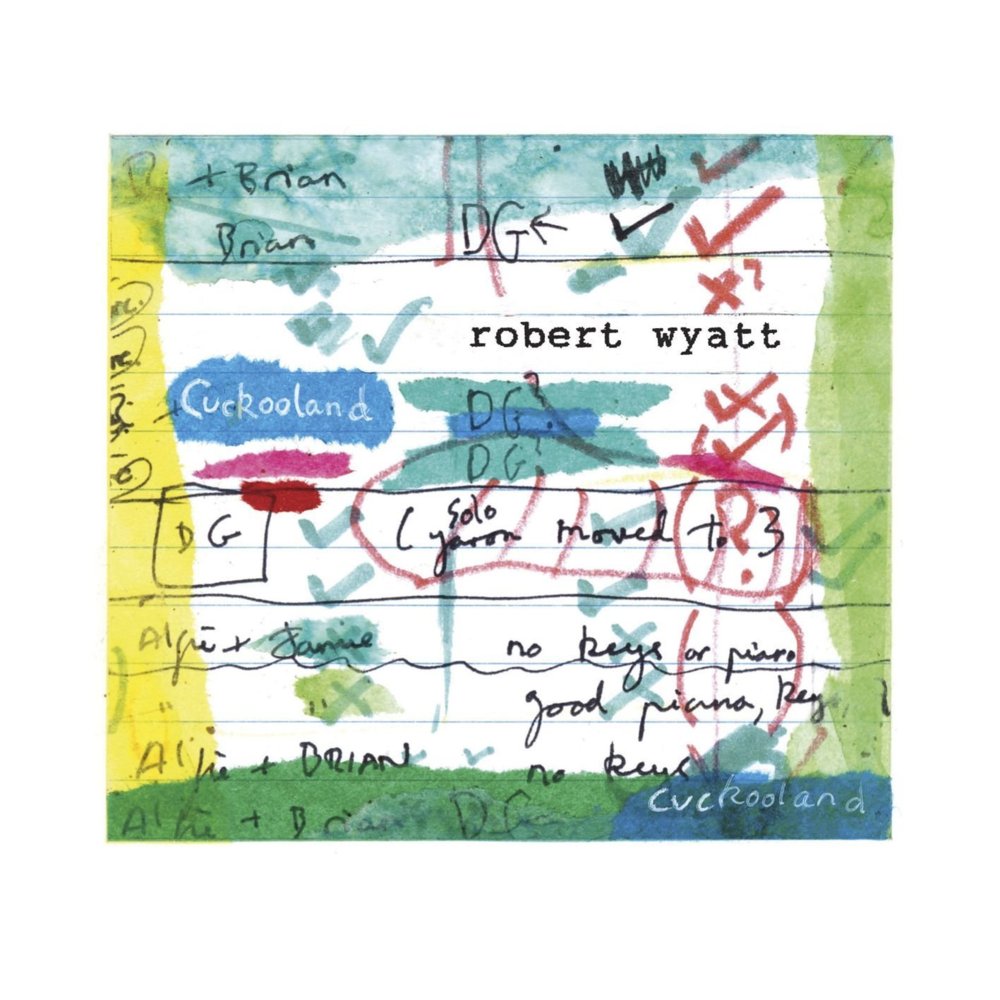
 View Artist