Song Meaning
{"song_id": 14114480, "meaning": "Robert Pollard, the prolific bard of Dayton, Ohio, often delivers lyrical puzzles wrapped in deceptively simple rock structures. \"Mother's Milk and Magnets\" is no exception, a miniature epic of fragmented imagery that resists easy decoding, yet resonates with a peculiar emotional logic. The opening declaration, \"I have no time for roses,\" immediately dismisses conventional romantic tropes, suggesting a world-weariness or perhaps a rejection of superficial beauty in favor of something more substantial, even if that substance is a \"medicinal consequence.\" The song then leaps into a series of disconnected scenes – breathalyzers, parachutes, \"super clear airplane school\" – evoking a sense of disorientation and perhaps a commentary on the artificiality of modern life.
The recurring line \"Mother's milk and magnets\" acts as a kind of mantra, a sonic anchor amidst the lyrical chaos. \"Mother's milk,\" universally associated with nurturing and primal connection, is juxtaposed with \"magnets,\" which represent attraction, force, and the unseen energies that bind things together. This pairing suggests a yearning for fundamental connection and a search for the forces that govern our lives, be they biological, emotional, or even metaphysical. The lyrics hint at the cyclical nature of time (\"The calendar calls, it beckons like a beacon\") and the pervasive influence of media (\"the strange smile of television\"), further complicating the search for authenticity.
Ultimately, the song meaning of \"Mother's Milk and Magnets\" lies not in a literal interpretation of its verses, but in the overall feeling it evokes. It's a collage of modern anxieties, a yearning for something real in a world saturated with artifice, and a recognition of the strange, often inexplicable forces that shape our experience. The repetition of \"Mother's milk and magnets\" reinforces this idea, becoming a sonic reminder of the basic human needs for connection and understanding in a world that often feels fragmented and overwhelming. It's a quintessential Pollard move: to create a song that is both baffling and deeply resonant, leaving the listener to piece together the meaning from its shimmering fragments."}
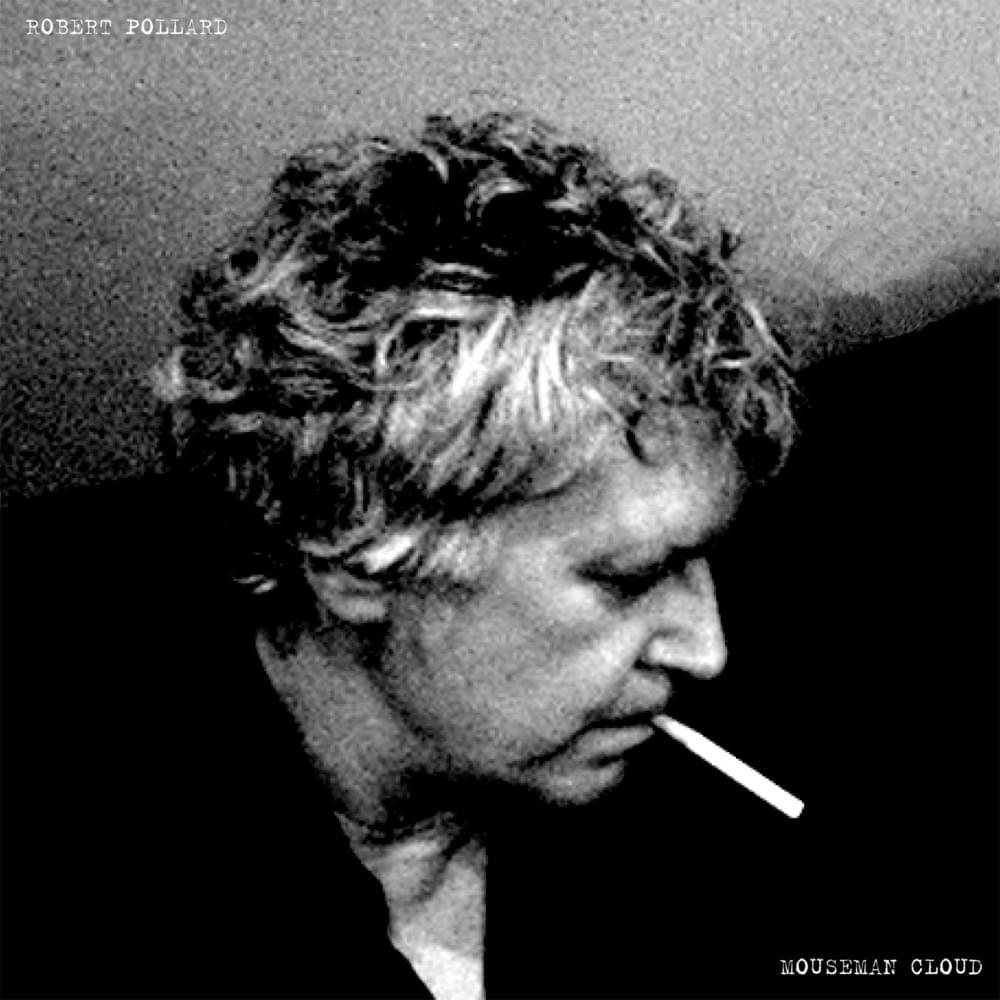
 View Artist