Song Meaning
Robert Pollard, the prolific bard of Dayton, Ohio, often buries profound anxieties beneath layers of seeming whimsy. "Circus Green Machine" is no exception. The immediately striking image is the plea to a paternal figure: "Father, I need more money / For cotton candy and chameleons." On its surface, this reads as childlike desire, the simple wants of a kid at the fair. But consider the chameleon. Its ability to change color is its defining trait, and that shapeshifting hints at a deeper yearning for acceptance, or perhaps a fear of being seen as one's true self. The cotton candy, fleeting and insubstantial, further emphasizes the ephemeral nature of happiness pursued through superficial means.
The chorus offers a fragmented, dreamlike vision: "At the end of the prettiest thing I've ever seen / Is a ring, is a dream, is a thing." The repetition of "is a" creates a sense of mounting anticipation, leading to the titular "circus dream machine." This machine isn't just a spectacle; it's a symbol of manufactured fantasy, a device that promises fulfillment but ultimately delivers only illusion. The "prettiest thing" could be anything – a relationship, a career, an ideal – but its allure is inextricably linked to the seductive power of the "circus dream machine."
Ultimately, the song's meaning resides in its exploration of desire and disillusionment. The circus, with its bright lights and fantastical creatures, represents the world's seductive promises. Pollard suggests that chasing these promises, fueled by a childlike need for more, leads only to the hollow echo of a "circus dream machine." The "yeah, yeah, yeah, yeah" refrain at the end feels almost sarcastic, a resigned acknowledgment of the cycle of wanting and disappointment. The song's genius lies in its ability to evoke this complex emotional landscape with such deceptively simple imagery.
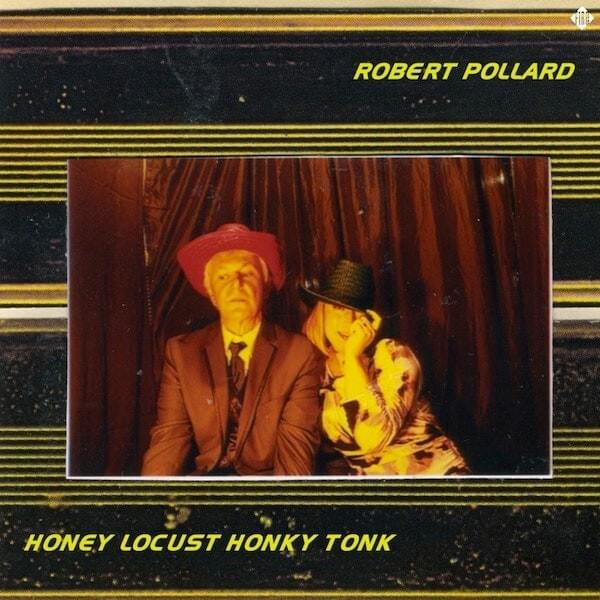
 View Artist