Song Meaning
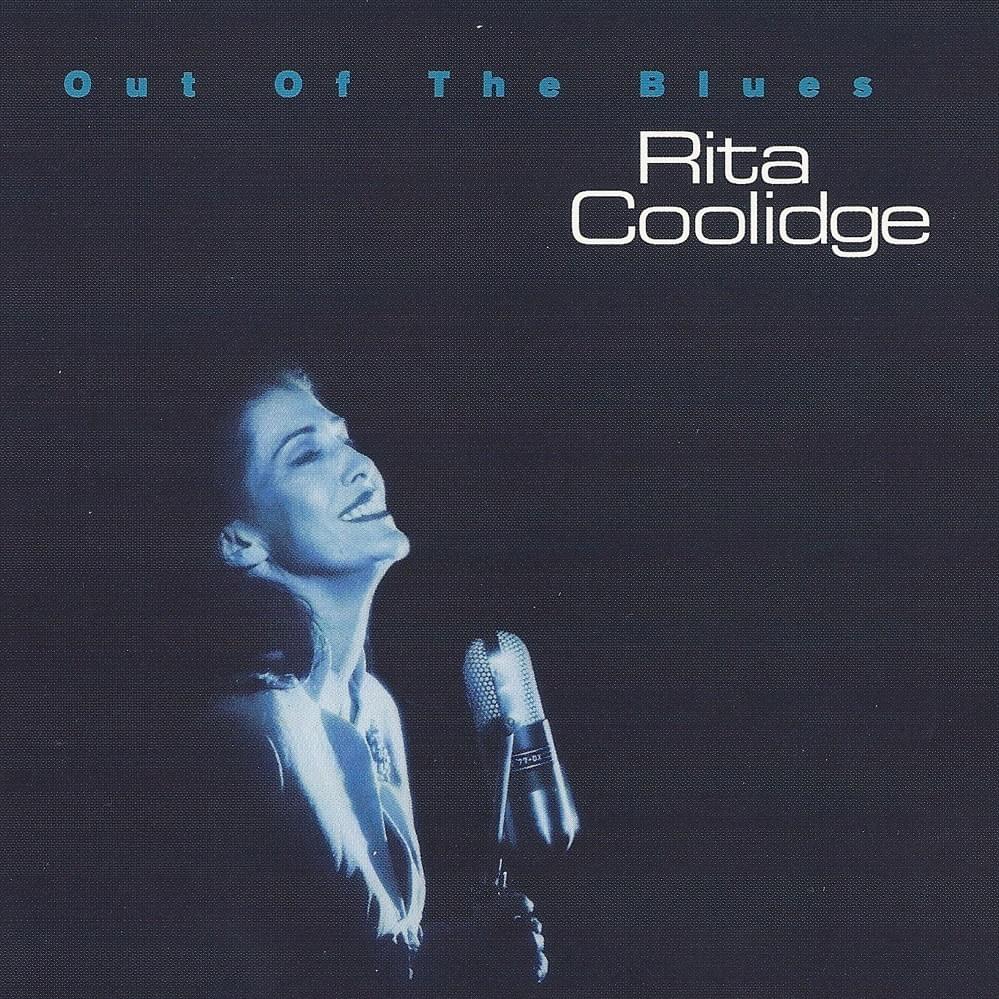
Rita Coolidge's rendition of "For the Good Times" isn't just a countrypolitan goodbye; it's a masterclass in bittersweet acceptance. The song meaning pivots on the contrast between immediate intimacy and looming separation. Coolidge doesn't wallow; she acknowledges the inevitable end with a poignant grace, urging her lover to focus on the "time to spend together" rather than the "bridges that we're burning." It's a mature perspective, recognizing that even in heartbreak, gratitude for shared moments can exist. The directive to "make believe you love me one more time" isn't desperate, but rather a tender request to savor the present before it fades into memory. Coolidge's performance invites us to examine the psychology of farewell, suggesting that manufactured happiness, however fleeting, can ease the pain of departure.
The heart of the song lies in its sensual imagery – the pillow, the warm body, the raindrops on the window. These are not mere romantic clichés; they are anchors in the present, grounding the lovers in a tactile reality that starkly contrasts with the abstract dread of the future. The "whisper of the raindrops" acts as a sonic balm, a gentle reminder of the beauty that still exists even as their world crumbles. This juxtaposition of sensory pleasure and emotional pain is what elevates "For the Good Times" beyond a simple breakup song. It becomes an exploration of how we cope with loss, clinging to physical intimacy as a temporary shield against the void. The underlying current of self-awareness—"I'll get along, you'll find another"—suggests that Coolidge understands the cyclical nature of love and loss, and that survival lies in accepting this reality.
Ultimately, the song's power lies in its unflinching honesty. There's no promise of reconciliation, no false hope for a future together. Instead, Coolidge offers a pragmatic, almost stoic approach to heartbreak. She acknowledges the pain, but refuses to be consumed by it. The recurring plea to "make believe" is not about delusion, but about actively choosing to create a final, beautiful memory. In this context, "For the Good Times" becomes a mantra, a way of framing the ending not as a failure, but as a collection of precious moments to be cherished. It's a testament to the human capacity for resilience, and a reminder that even in the face of loss, we can find solace in the simple act of being present.
 View Artist