Song Meaning
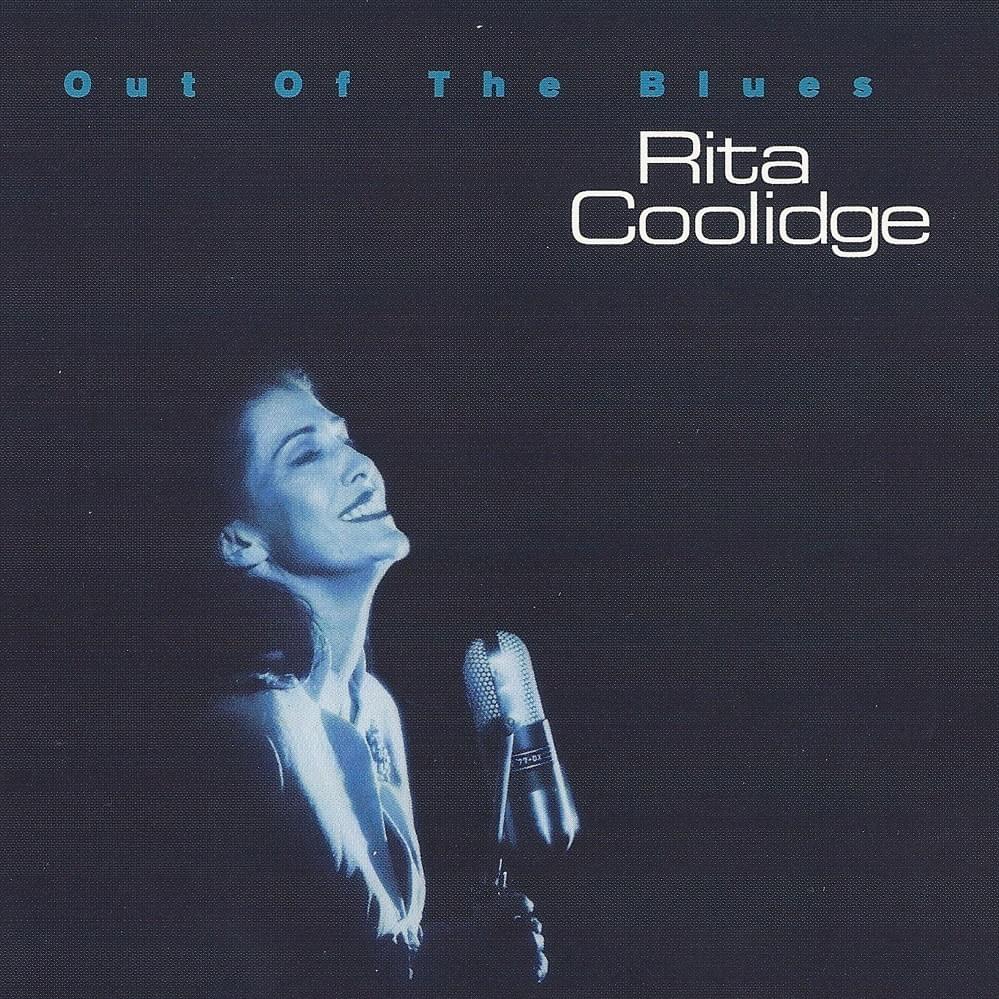
Rita Coolidge's rendition of "Bring It On Home to Me" isn't just a cover; it's a raw, exposed nerve of longing and self-awareness. Stripped of bravado, the song meaning shifts from a plea to something closer to a confession. The initial verses reveal a vulnerability often masked in similar songs. Coolidge isn't just asking for a return; she acknowledges the pain she inflicted, admitting, "I know I laughed when you left, but now I know I only hurt myself." This isn't about pride; it's about the stark realization of loss. The repetition of "Bring it on home to me" becomes less a demand and more a desperate mantra.
The offer of material possessions – "jewellery and money, too" – feels almost pathetic in its transparency. It underscores the singer's understanding that she can't buy love, but she's willing to try anything to fill the void. This highlights a common psychological defense mechanism: attempting to compensate for emotional shortcomings with material gestures. The line, "You know I'll always be your slave, 'til I'm buried, buried in my grave," borders on masochistic devotion, a complete surrender of self in the hopes of reconciliation. It speaks to the depths of attachment and the lengths to which one will go to avoid being alone.
The final verse adds a layer of complexity. The admission of the partner's transgressions – "But you stayed out, stayed out at night" – followed by the immediate forgiveness, suggests a pattern of behavior, a cycle of hurt and reconciliation. It's not necessarily healthy, but it's real. Coolidge's "Bring It On Home to Me" becomes a study in codependency, a testament to the messy, imperfect nature of love, and the lengths we go to recapture what we've lost, even when we know it might be damaging.
 View Artist