Song Meaning
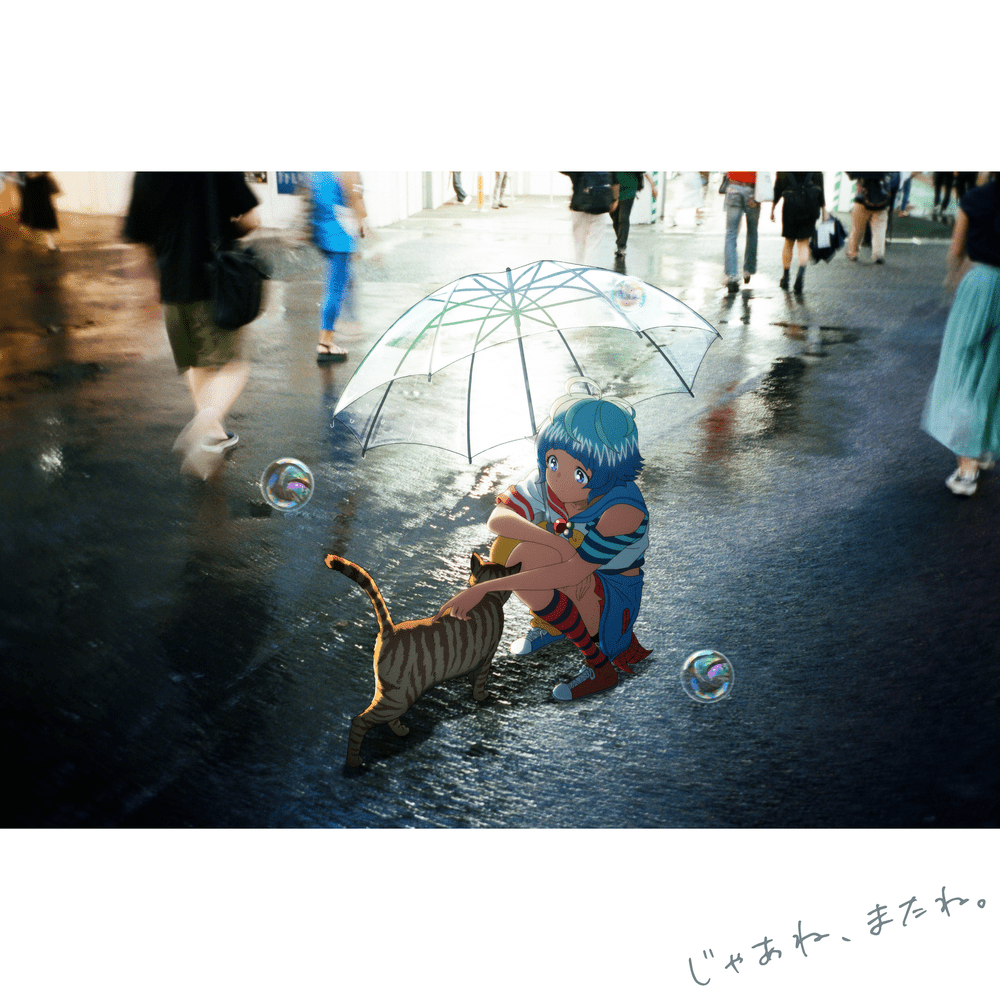
The repeated phrase "じゃあねまたね" (See you, later) anchors this song in the mundane farewells of a relationship that has just ended. The shift from the casual "See you tomorrow" to the inability to say it marks the precise moment the narrator's love concluded. This isn't a dramatic breakup, but a quiet, almost imperceptible severing of connection, leaving a void where daily intimacies once were.
The lyrics paint a picture of a relationship filled with small, shared joys and future plans. The narrator recalls laughing easily, wanting to share specific movies, and contemplating birthday gifts. There's a clear desire to please, to "get closer to your preferences," a thought that occupied the narrator even as they slept. These details highlight the depth of the narrator's investment and the sudden, stark absence of these anticipated moments.
The core tension lies in the lingering presence of the past versus the undeniable reality of the present. Despite the relationship being over, the narrator questions if they'll forget the other's scent or if their shared promises will be fulfilled with someone else. This internal conflict is amplified by the stark repetition of "Everything, everything is gone," emphasizing the finality that the narrator struggles to accept.
What makes these lyrics so poignant is their focus on the quiet aftermath of love's end. The narrator's plea, "I hope you remember me when you hear this song," and the subsequent, almost contradictory, "But you don't have to remember," reveal a complex mix of longing and resignation. The final lines, "I'll like you more from now on / I'll remember you forever, never fading from my heart," underscore a love that persists even after the relationship itself has dissolved, a bittersweet testament to its impact.
 View Artist