Song Meaning
The lyrics paint a scene of a lively, perhaps slightly raucous, party where the narrator's date is the undeniable center of attention. The repeated "ah-hah-hah" suggests a nervous energy or perhaps a forced joviality, hinting that the narrator's admiration for his "baby" is tinged with insecurity. He feels "uptight" just looking at her, a clear sign of her overwhelming beauty.
The central tension arises with the arrival of a "butcher" whose "ju jus alight," a phrase that's both suggestive and vaguely threatening. This intrusion immediately shifts the mood, implying a potential rival or an unwelcome advance. The narrator's reaction to this encounter is framed by the recurring phrase "It's all down to goodnight Vienna," which acts as a dismissive, almost resigned, sign-off to the situation.
The repeated refrain of "goodnight Vienna" functions as a theatrical cue, a way to end the immediate drama and move on. It’s a declaration that whatever happened, it’s over, and the show must go on. The interjections from the narrator, like "Come on, boys, sing it to me!" and "Oh, you're so beautiful, you know that I love you, don't you, boys?" break the fourth wall, addressing the audience directly and reinforcing the performance aspect.
This piece is effective because it captures a specific, almost cinematic moment of social anxiety within a performative setting. The contrast between the narrator's internal discomfort and the external showmanship creates a compelling, if brief, narrative. The lyrics suggest that even in moments of perceived threat or awkwardness, the performance must continue, with "goodnight Vienna" serving as the ultimate curtain call for any lingering drama.
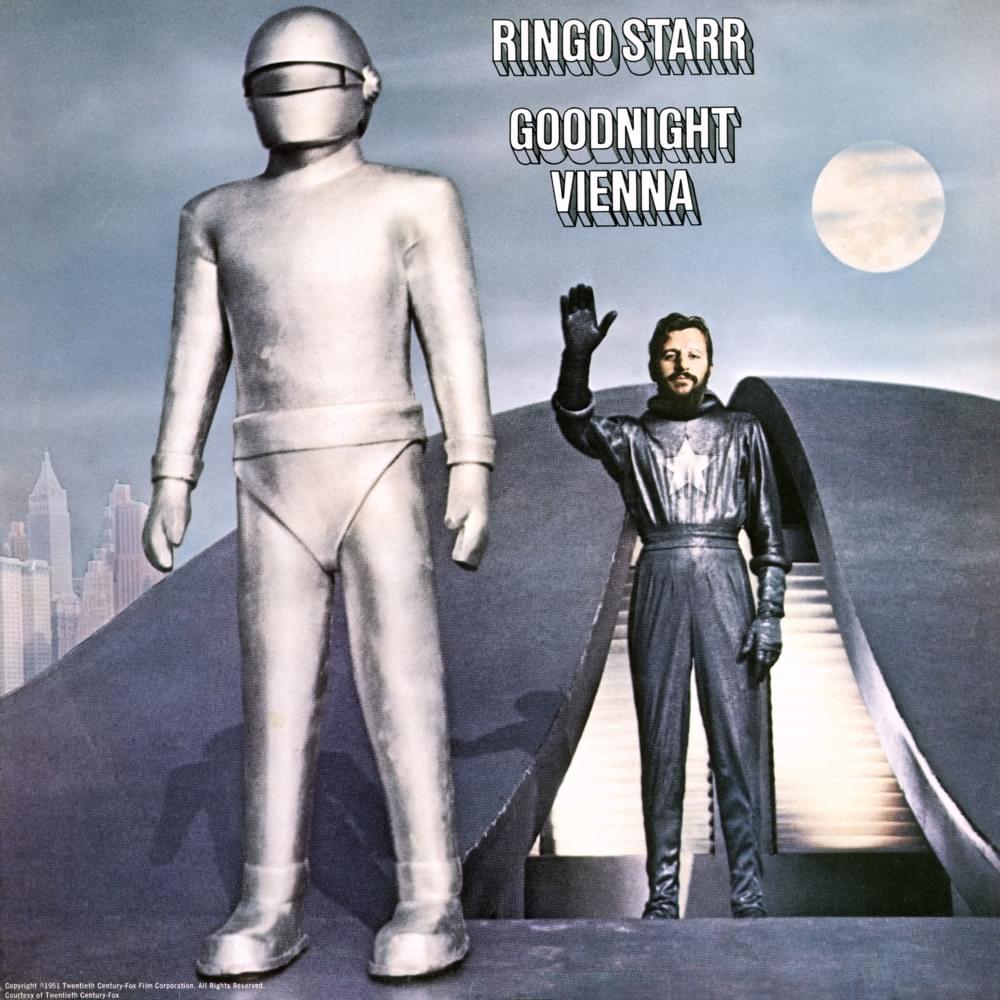
 View Artist