Song Meaning
The narrator reflects on a past relationship where their partner's lack of external validation made their own connection feel simpler. The lyrics paint a picture of someone overlooked, stating, "Nobody loved her, it was easy to see." This perceived lack of competition or outside interest apparently smoothed the narrator's path, as the phrase "That made it easy for me" repeats, establishing a core theme. The initial impression is one of uncomplicated acquisition, almost a relief that the partner was so readily available.
However, a subtle shift occurs as the narrator moves from external observation to internal experience. The imagery of "sand castles fell from the tears" introduces a shared sadness, suggesting the relationship wasn't entirely devoid of pain or complexity, even if the narrator felt it was "easy." The line "Now the dream's over and I realise" signals a moment of clarity, where the narrator's perspective on the ease of the relationship is re-evaluated. This realization, rather than bringing regret, paradoxically "makes it easy for me" again, hinting at a complex emotional detachment or perhaps a newfound understanding of their own motivations.
The most striking aspect is the contrast between the initial assertion of ease and the underlying melancholy suggested by falling sandcastles and tears. The narrator seems to find comfort in a situation where their partner's perceived lack of desirability made their own involvement less complicated. The cosmic imagery of being "hiding in the milky way / Without a star to shine the way" adds a layer of existential loneliness, perhaps mirroring the partner's isolation and, in turn, influencing the narrator's own sense of direction or purpose within the relationship. The repeated phrase, initially sounding opportunistic, ultimately underscores a pattern of seeking emotional simplicity, even at the cost of deeper connection.
This lyrical construction is effective because it captures a specific, often unspoken, dynamic: the allure of a relationship that requires less emotional investment due to the perceived vulnerabilities of the other person. The narrator's repeated claim of ease, juxtaposed with hints of shared sorrow, creates a compelling ambiguity. It leaves the listener questioning whether the "ease" was a genuine benefit or a convenient justification for a relationship that perhaps lacked genuine depth, ultimately highlighting a complex, self-serving form of emotional navigation.
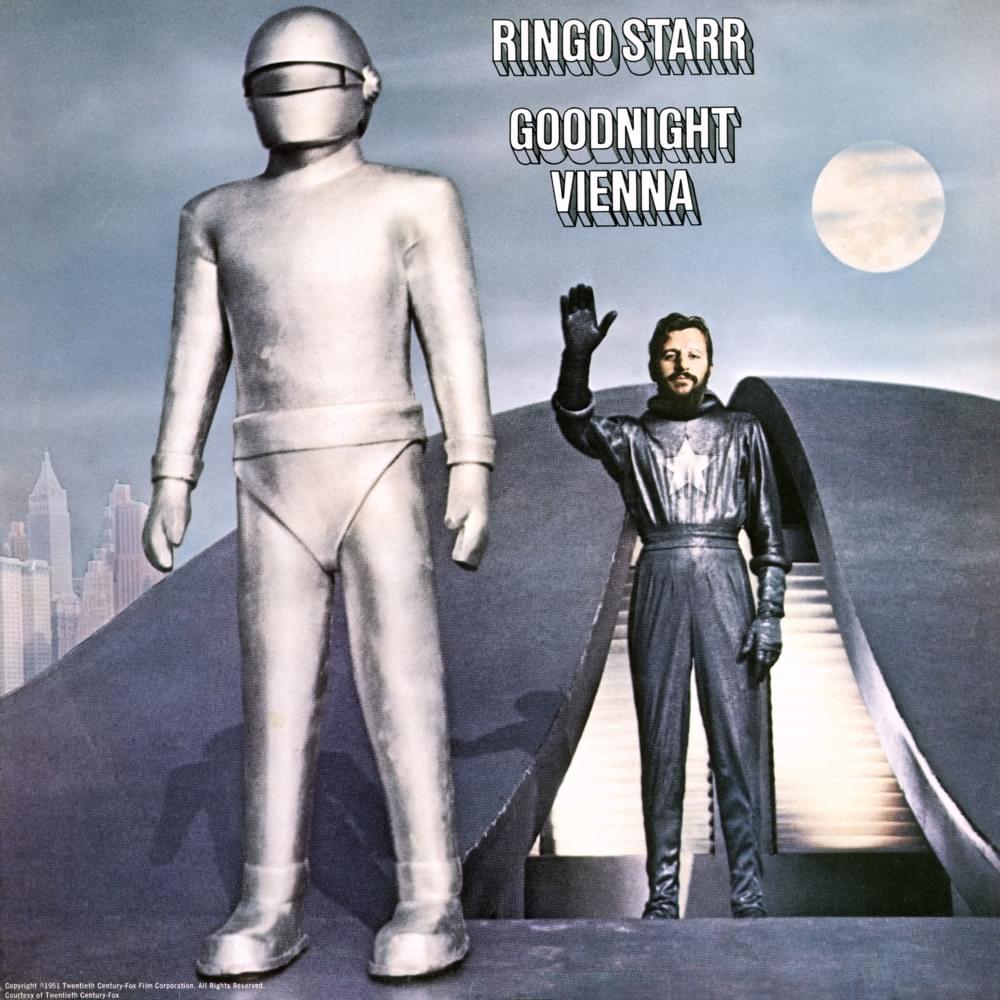
 View Artist