Song Meaning
The lyrics paint a vivid picture of ascent and anticipation, urging various creatures and elements to rise towards the heavens. It begins with a squirrel climbing a mighty oak, a stork flying from the church to the citadel, and an eagle soaring to a centennial mountain. This repeated call to "monte" (climb/rise) establishes a powerful sense of upward movement and striving, creating an atmosphere of hopeful expectation. The imagery is grand and natural, from the "grand chêne" to the "montagne centenaire," all pointing towards a distant, elevated goal.
The central tension lies in the contrast between this grand, almost cosmic ascent and the intensely personal question at the end. After detailing the soaring flight of the squirrel, stork, and eagle, the narrator asks if, from all these high vantage points, one can see a feather floating, a smoking horse running, and most importantly, the beloved returning. The immense scale of the natural and architectural world is invoked, only to be brought down to the singular, intimate hope of reunion.
The most striking craft element is the sustained use of imperative verbs and the cataloging of ascending subjects. The repetition of "monte" acts as a rhythmic anchor, driving the poem forward. The shift in perspective in the final stanza, from direct address to the creatures to a collective "Voyez-vous?" (Do you see?), broadens the scope of observation just before focusing on the intensely personal. This creates a powerful juxtaposition between the vastness of the world and the singular focus of the narrator's desire.
This lyrical structure is effective because it builds a sense of immense scale and universal striving, only to pivot sharply to a deeply personal and vulnerable question. The grand imagery of flight and height amplifies the longing for the beloved's return, making that singular hope feel both monumental and achingly fragile. The poem masterfully uses the vastness of nature and architecture to underscore the profound depth of personal anticipation.
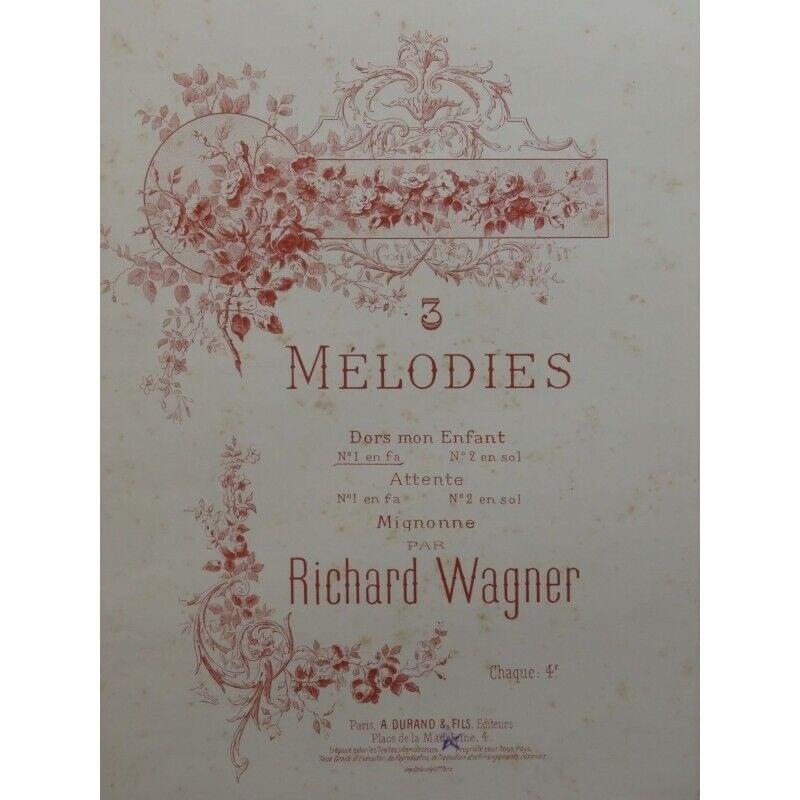
 View Artist