Richard Wagner: From Opera Revolutionary to Meme Inspiration
## Introduction & Current Status
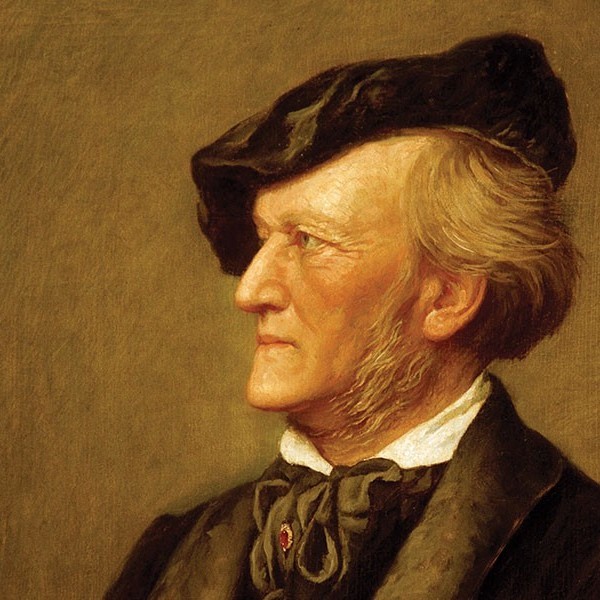
Richard Wagner. Yeah, that name might conjure up images of stuffy concert halls and operas longer than your average Marvel movie. But hold up! This 19th-century German composer is low-key having a moment. No, he’s not dropping a surprise collab with Doja Cat (though, imagine!), but his influence is still felt in film scores, video games, and even, dare we say, TikTok trends. Wagner's music remains culturally relevant, even if most Gen Z'ers don't realize they're vibing to his indirect influence.
Why does Wagner still matter? He basically redefined opera, pushing boundaries with his epic storytelling, complex musical structures, and what he called “total work of art.” He wasn’t afraid to go big or go home, and that ambition still resonates today. Plus, let's be real, his life was full of drama – affairs, political exile, and a seriously inflated ego – making him the ultimate main character.
And while you might not be humming Wagner on your way to class, his operas are still performed worldwide, proving that his work has serious staying power. Plus, his innovative use of leitmotifs (recurring musical themes associated with specific characters or ideas) is basically the OG soundtrack technique that every film composer uses today. So, yeah, Wagner is still kind of a big deal.
## Early Life & Background
Born in Leipzig, Germany, in 1813, Wilhelm Richard Wagner (yes, Wilhelm was his actual first name) had a childhood that was… complicated. His biological father died shortly after his birth, and his mother remarried an actor and playwright named Ludwig Geyer. This theatrical influence definitely rubbed off on young Richard, who was immediately drawn to the world of drama and music. It’s rumored that Geyer may have been his biological father, a detail that Wagner himself seemed to embrace later in life.
Wagner was a bit of a chaotic student, bouncing between schools and subjects with seemingly little direction. But one thing was constant: his obsession with music. He devoured the works of Beethoven and other classical masters, teaching himself composition and dreaming of writing his own operas. The musical landscape of the time, dominated by Italian opera, served as both an inspiration and a challenge to Wagner's burgeoning artistic vision.
Growing up in a politically charged environment also shaped Wagner's worldview. The rise of nationalism and revolutionary fervor in Europe fueled his own artistic ambitions and rebellious spirit. He wasn't just interested in writing pretty melodies; he wanted to create art that reflected the struggles and aspirations of the German people. This desire for artistic and political expression would become a defining characteristic of his work.
## Career Beginnings
Wagner's career started with a series of conducting jobs in various German opera houses. These early experiences gave him a practical understanding of the theatrical world and allowed him to hone his craft. He started composing operas early on, but his initial attempts were largely unsuccessful. These early works, while not masterpieces, provided valuable experience and allowed him to experiment with different musical and dramatic ideas.
His first major breakthrough came with the opera Der fliegende Holländer in 1843. This opera, with its themes of redemption and the supernatural, marked a turning point in Wagner's career and established him as a composer to watch. It showcased his growing talent for dramatic storytelling and his innovative use of orchestration.
However, Wagner's career was not without its setbacks. His involvement in the failed 1849 revolution in Dresden led to his exile from Germany for several years. During this period, he lived in Switzerland and continued to develop his artistic theories. This exile proved to be a crucial period of artistic growth, as he began to formulate his ideas about the “total work of art” and to plan his most ambitious project: the Ring Cycle.
## Major Albums & Discography
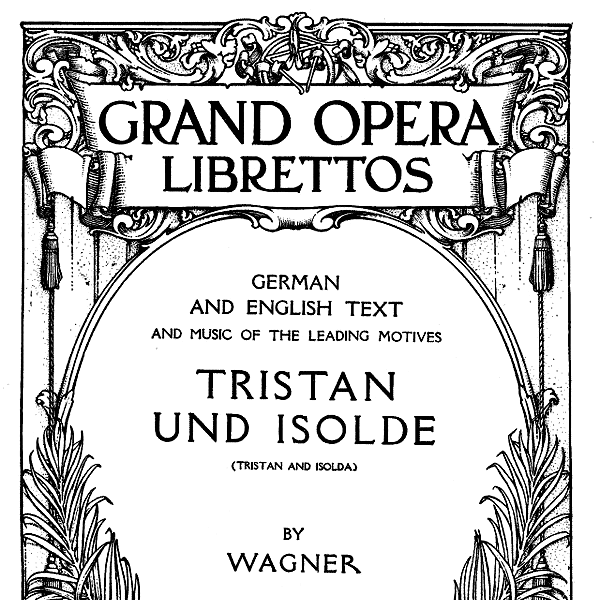
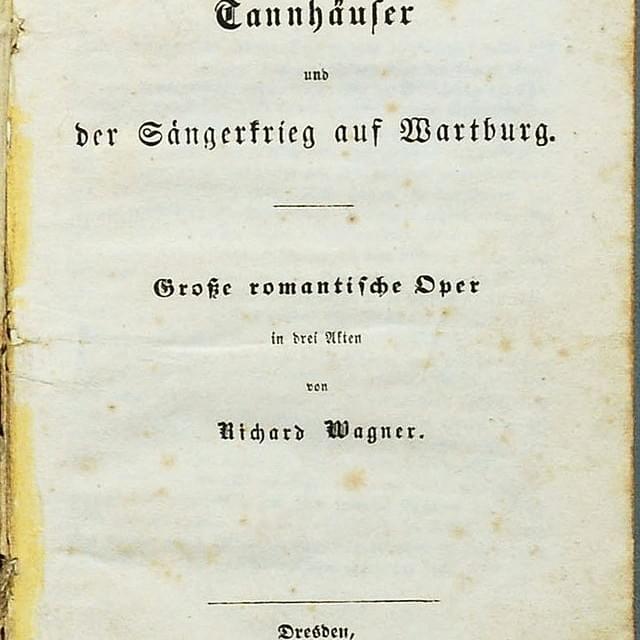
Wagner's discography is dominated by his monumental operas. One of his defining works is Tannhäuser, an opera exploring themes of love, redemption, and the conflict between earthly and spiritual desires. It's a cornerstone of his early style, showcasing his developing mastery of orchestration and dramatic storytelling. Then, of course, there's Tristan and Isolde, an opera so revolutionary in its harmonic language and psychological depth that it basically redefined the boundaries of Western music. This album is a deep dive into obsessive love, death, and the blurring of reality and fantasy.
Then comes the behemoth: The Ring Cycle. A series of four operas (Das Rheingold, Die Walküre, Siegfried, and Götterdämmerung), it's an epic saga based on Norse mythology. The Ring Cycle explores themes of power, greed, love, and redemption on a grand scale. Wagner spent over two decades working on this monumental project. While not strictly an album in the modern sense, each opera in the cycle can be considered a major artistic statement, and recordings of the cycle are widely available.
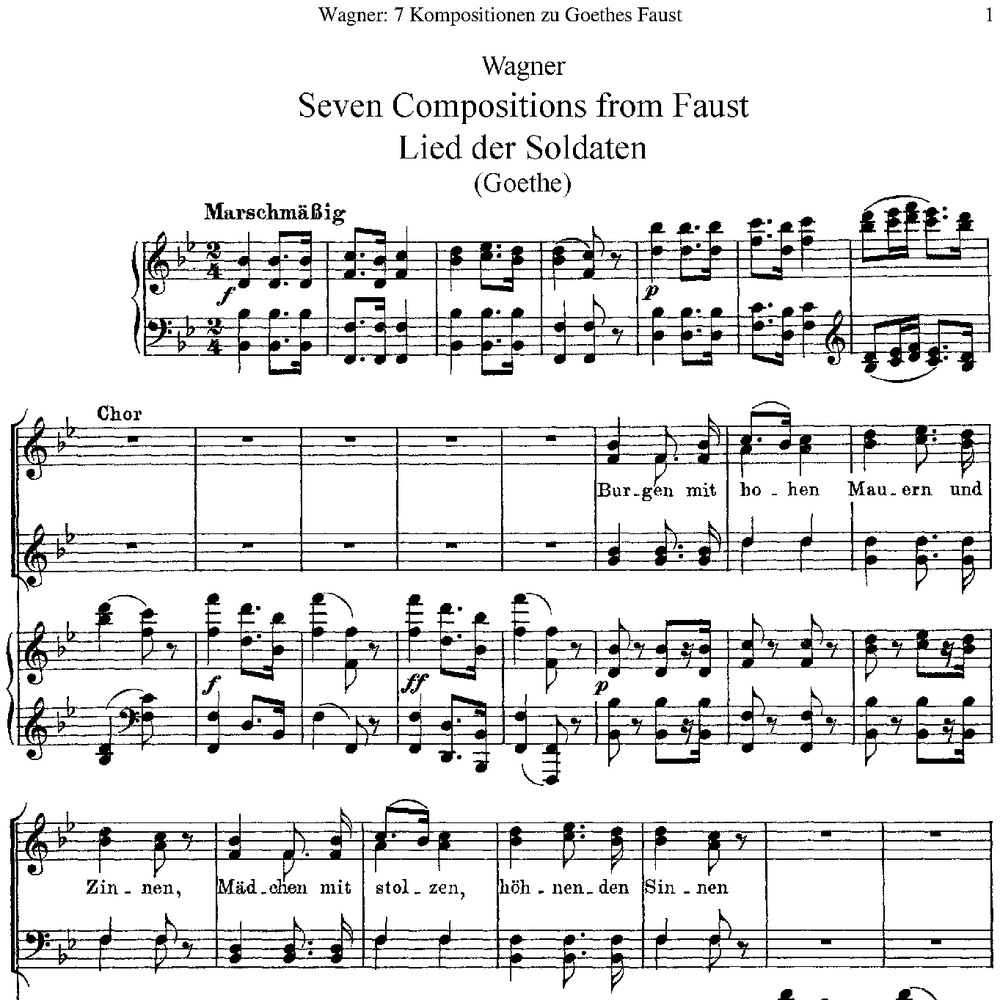
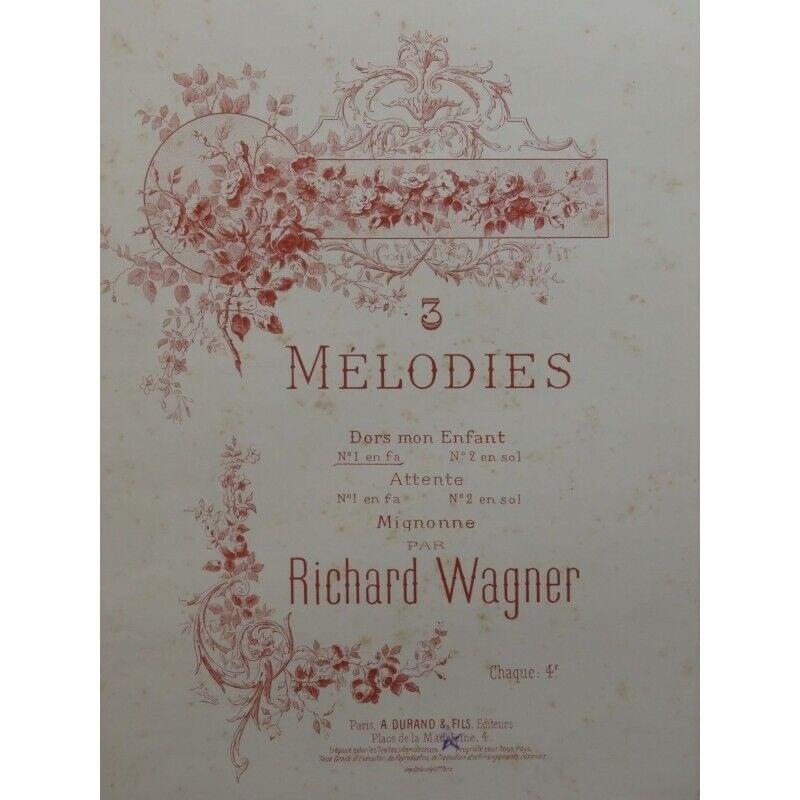
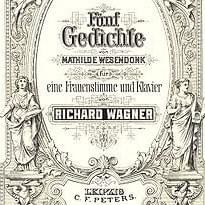
His Wesendonck-Lieder, a song cycle setting poems by Mathilde Wesendonck (with whom he was having an affair – scandalous!), offers a more intimate glimpse into Wagner's musical world. These songs are lush, romantic, and foreshadow the harmonic language of *Tristan and Isolde*. Wagner also composed 3 Melodies and Sieben Kompositionen zu Goethes Faust, Op. 5
## Hit Songs & Signature Tracks
Okay, so Wagner didn't exactly drop singles in the way we think of them today. But certain excerpts from his operas have become iconic in their own right. "Ride of the Valkyries" from *Die Walküre* is probably his most recognizable tune, thanks to its use in countless movies and TV shows. It’s the ultimate hype music for anything epic. Then there's the "Bridal Chorus" from *Lohengrin* – you know, the classic wedding march ("Here Comes the Bride"). Even if you don't know Wagner, you know this tune.
The prelude to Tristan and Isolde is another signature piece. Its haunting melody and unresolved harmonies perfectly capture the opera's themes of longing and unfulfilled desire. It's basically the musical equivalent of staring longingly out a rain-streaked window. Let's not forget selections from Tristan And Isolda - Act I Scene 1, Tristan and Isolda Act I Scene 2, Tristan and Isolda Act I Scene 3, Tristan and Isolda Act I Scene 4, Tristan and Isolda Act I Scene 5 and Tristan and Isolda Act I Scene 6, which are all iconic.
Other notable musical selections include Tristan and Isolda Act 1 Scene 7, Tristan And Isolda - Act II Scene 1, Tristan and Isolda Act II Scene 2, and Tristan and Isolda Act II Scene 3. These musical excerpts showcase Wagner's genius for creating emotionally charged and dramatically compelling music. These aren't just songs; they're experiences.
## Collaborations & Features
Wagner wasn't really known for traditional collaborations in the way modern artists are. He was more of a singular visionary who preferred to control every aspect of his productions. However, he did rely on a vast network of singers, instrumentalists, and stage designers to bring his operas to life. These individuals were essential to realizing Wagner's artistic vision, even if they weren't credited as collaborators in the modern sense.
His relationship with King Ludwig II of Bavaria was a crucial partnership. Ludwig's financial support and unwavering belief in Wagner's genius allowed him to complete the Ring Cycle and build the Bayreuth Festspielhaus, a theater dedicated solely to performing Wagner's operas. Without Ludwig's patronage, Wagner's career might have taken a very different turn.
While not collaborations in the traditional sense, Wagner's works have been adapted and reinterpreted by countless artists across various genres. From classical musicians to film composers to heavy metal bands, Wagner's influence can be heard in a wide range of musical styles. This enduring influence speaks to the universality and timelessness of his artistic vision.
## Awards & Achievements
While Wagner didn't win Grammys (they didn't exist back then!), his impact on music is undeniable. He revolutionized opera, influencing generations of composers. The Bayreuth Festspielhaus, built specifically for his operas, is a testament to his cultural significance. Wagner's operas continue to be performed worldwide, attracting audiences and sparking debate.
His innovative use of leitmotifs (recurring musical themes) changed the way composers approached storytelling in music. This technique has been widely adopted in film scores and other genres. Wagner's influence can be heard in the works of composers like John Williams, Howard Shore, and Hans Zimmer.
Wagner's legacy is complex and controversial, but his artistic achievements are undeniable. He pushed the boundaries of music and drama, creating works that continue to challenge and inspire audiences today. He may not have won any shiny trophies, but his impact on the world of music is far greater than any award.
## Personal Life
Wagner's personal life was as dramatic as his operas. He was known for his extravagant lifestyle, his numerous affairs, and his strong opinions. His marriage to Cosima von Bülow (daughter of Franz Liszt) was particularly scandalous, as she was already married to another man when they began their relationship. This affair caused a major rift in the musical world.
Despite his personal flaws, Wagner was a passionate advocate for his artistic vision. He was deeply committed to his work and willing to fight for his beliefs. He was also a complex and contradictory figure, capable of both great generosity and extreme selfishness. His personal life remains a subject of fascination and debate.
## Musical Style & Influence
Wagner's musical style is characterized by its epic scale, dramatic intensity, and innovative use of harmony and orchestration. He pushed the boundaries of tonality, creating a unique sound world that was both beautiful and unsettling. His operas are known for their length, complexity, and emotional depth. He has influenced countless composers, including Gustav Mahler, Richard Strauss, and Arnold Schoenberg.
He was heavily influenced by Beethoven, particularly Beethoven's symphonies. Wagner saw Beethoven as a model for the artist as a revolutionary figure. Wagner's concept of the *Gesamtkunstwerk* (total work of art) sought to integrate all aspects of artistic expression – music, drama, poetry, visual design – into a unified whole. This concept has had a profound impact on the development of opera and other art forms.
His legacy is complex. While his music is celebrated for its beauty and innovation, his anti-Semitic views have made him a controversial figure. However, his impact on the history of music is undeniable. He remains one of the most important and influential composers of the 19th century.
## Recent Work & What's Next
Okay, so Wagner's not exactly dropping any new tracks since, you know, he's been dead for over a century. But his operas are constantly being revived and reinterpreted by opera companies around the world. New recordings and performances of his works continue to be released, ensuring that his music remains relevant for future generations. His works are still constantly performed.
While he might not be touring anytime soon, Wagner's music lives on through countless recordings, performances, and adaptations. His influence can be heard in everything from film scores to video game soundtracks. So, even if you're not a hardcore opera fan, you're probably still experiencing Wagner's legacy in some way.