Song Meaning
The lyrics paint a stark picture of finality, a point of no return reached after a period of struggle. The narrator declares they've arrived at a place where things are fixed, unyielding – "the willow don't bend" – signaling an end to flexibility or hope. There's a profound sense of resignation, a quiet acceptance that "there's not much more to be said." This isn't a dramatic outburst, but a calm, deliberate decision to depart.
The central tension lies in the narrator's conscious choice to disengage, to "close the book" on whatever situation they've been enduring. They explicitly state a lack of concern for what follows: "And I don't really care / What happens next." This detachment is key; it's not about finding a better alternative, but about escaping the current one entirely. The repeated phrase "I'm going / I'm going / I'm gone" acts as a mantra, a verbal severing of ties.
The most striking element is the abrupt insertion of advice attributed to "Elmo," which seems to directly contradict the narrator's current path. This external voice warns against following one's heart and advises against parting with a "one true love," referencing the old adage that "all that's gold doesn't shine." This creates a jarring contrast, highlighting the narrator's deliberate rejection of conventional wisdom or perhaps a past self's ideals in favor of their present, resolute decision to leave.
Ultimately, the effectiveness of these lyrics stems from their unflinching portrayal of decisive closure. The simple, declarative statements and the relentless repetition of departure build an undeniable momentum towards an inevitable exit. The contrast with the Elmo verse adds a layer of complexity, suggesting the narrator is actively moving away from advice or a past belief system, making their final declaration of being "all gone" feel earned and absolute.
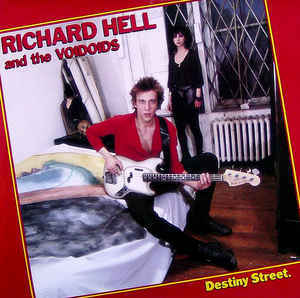
 View Artist