Introduction & Current Status
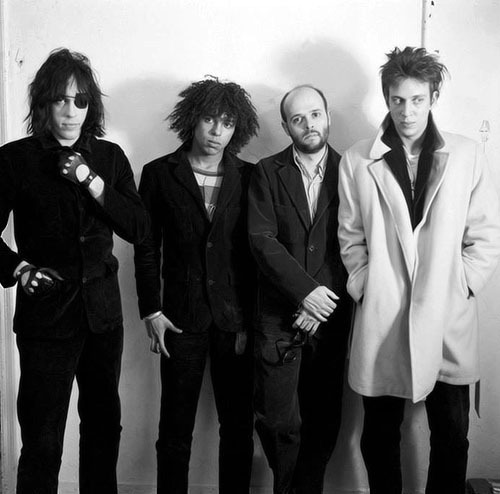
Richard Hell and the Voidoids aren't just a band; they're a cultural touchstone. Emerging from the chaotic New York punk scene of the late '70s, they carved out a unique space with their raw energy, intellectual lyrics, and Hell's iconic, deliberately disheveled style. While the band may not be actively touring or releasing new material, their influence continues to reverberate through generations of musicians and artists. They remain a crucial part of the punk rock canon.
Their impact extends beyond music. Hell's literary pursuits and visual aesthetic have cemented his status as a downtown icon. He's a reminder that punk was always more than just loud guitars; it was a rebellion against conformity in all its forms.
Early Life & Background
Born Richard Meyers in Lexington, Kentucky, Hell's early life was marked by a restless spirit and a thirst for artistic expression. He found an early kindred spirit in Tom Miller, later known as Tom Verlaine, with whom he bonded over poetry and a shared disdain for suburban life. This connection would prove pivotal in shaping his musical trajectory.
Meyers and Verlaine eventually made their way to New York City, drawn by the city's burgeoning art scene and the promise of creative freedom. They immersed themselves in the world of poetry, literature, and avant-garde art, absorbing influences that would later inform their music. This period of exploration laid the groundwork for the intellectual and artistic depth that would define Richard Hell's work.
Career Beginnings
The partnership between Richard Hell and Tom Verlaine blossomed into the band Television. Their early work together at CBGB helped define the sound of New York punk. However, creative differences led to Hell's departure from Television, setting the stage for the birth of the Voidoids and a more confrontational, explicitly punk sound.
Forming the Voidoids, Hell embraced a more visceral and confrontational style. His lyrics became more direct, his stage presence more chaotic, and his fashion sense more deliberately anti-fashion. The band's early gigs at CBGB and other downtown haunts quickly earned them a reputation for their raw energy and uncompromising vision. The Voidoids quickly became a staple of the burgeoning punk scene.
Major Albums & Discography
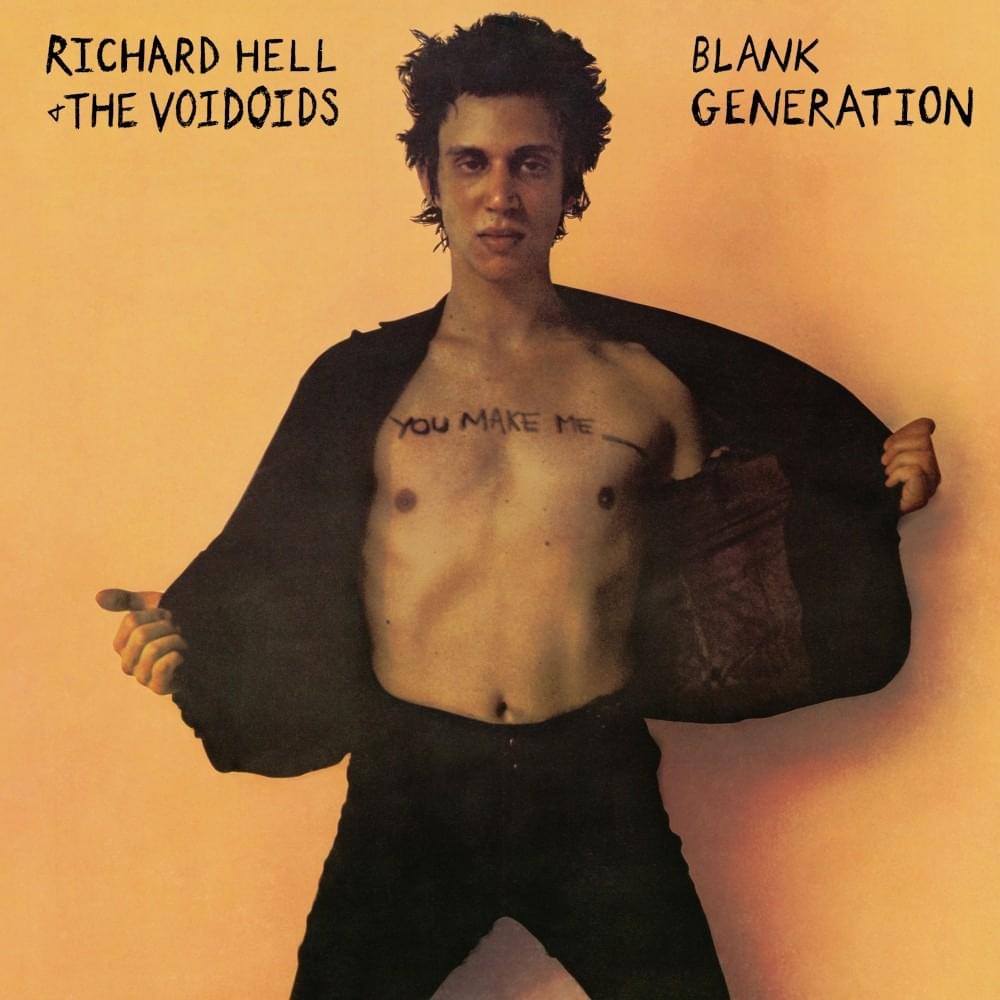
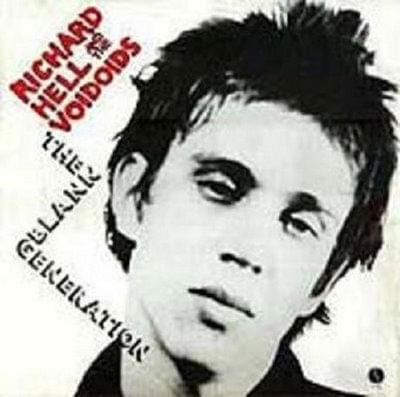
The Voidoids' discography, while concise, packs a serious punch. Their debut album, Blank Generation, released in 1977, is considered a landmark of punk rock. Its raw energy, nihilistic lyrics, and Hell's distinctive vocals captured the spirit of a generation disillusioned with the status quo. Tracks like the title track became anthems for the disaffected.
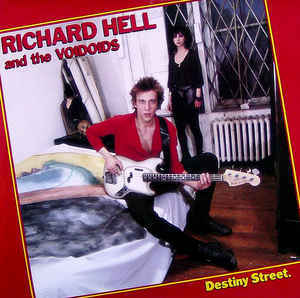
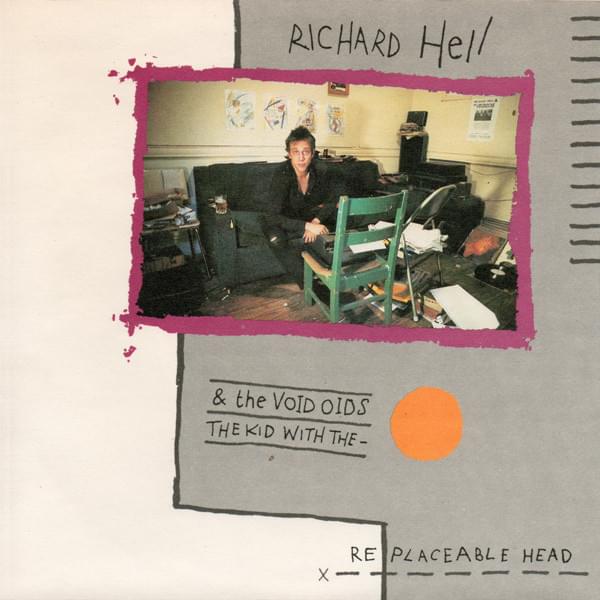
Destiny Street, released in 1982, showcased a more polished sound, but retained the band's signature edge. While it didn't achieve the same commercial success as its predecessor, it remains a fan favorite for its complex arrangements and introspective lyrics. The album offers a glimpse into Hell's evolving artistic vision.
Several compilations and reissues have kept the Voidoids' music alive for new generations. Blank Generation (40th Anniversary Deluxe Edition), for example, offers a comprehensive look at the band's early years, including demos, live recordings, and alternate takes. These releases serve as a testament to the enduring appeal of their music.
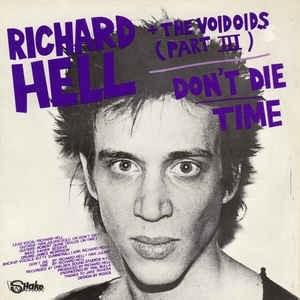
There is also Another World EP and Don’t Die/Time/That’s All I Know Right Now/Love Comes In Spurts.
Hit Songs & Signature Tracks
Blank Generation is undoubtedly the Voidoids' signature song. Its minimalist arrangement, sardonic lyrics, and Hell's deadpan delivery perfectly encapsulate the ennui and alienation of the punk generation. The song's enduring appeal lies in its ability to capture a specific moment in time while remaining relevant to subsequent generations of outsiders.
Love Comes In Spurts is another essential Voidoids track. Its catchy melody, provocative lyrics, and raw energy made it a punk anthem. The song's unapologetic exploration of desire and its rejection of conventional notions of romance cemented its place in punk history. It's a song that still sounds as fresh and dangerous today as it did in 1977.
Other notable tracks include Don’t Die, a raw and desperate plea for survival, and Thats All I Know (Right Now), a cynical reflection on the limitations of knowledge and experience. These songs showcase the band's ability to blend intellectual depth with raw emotional power.
Even Betrayal Takes Two and New Pleasure display the band's unique sound.
Collaborations & Features
While Richard Hell and the Voidoids were primarily known for their self-contained sound, Hell has collaborated with other artists throughout his career. These collaborations have often been in the realm of spoken word and performance art, reflecting his diverse artistic interests. He's always sought out projects that allow him to push boundaries and explore new creative territories.
Hell's influence can be seen in the work of countless other musicians and artists. His DIY aesthetic, confrontational lyrics, and unapologetic individualism have inspired generations of punks, new wavers, and alternative rockers. He's a true iconoclast who has never compromised his artistic vision.
Awards & Achievements
While Richard Hell and the Voidoids may not have won mainstream awards like Grammys or MTV Awards, their influence on music and culture is undeniable. They were pioneers of the punk movement and helped shape the sound and aesthetic of a generation. Their music continues to be celebrated by critics and fans alike.
Hell's impact extends beyond the realm of music. His writing has been praised by literary critics, and his visual art has been exhibited in galleries around the world. He's a true Renaissance man who has made significant contributions to multiple artistic disciplines. He is a legend in the downtown New York art and music scenes.
Personal Life
Richard Hell has maintained a relatively private personal life, focusing primarily on his artistic pursuits. He has been open about his struggles with addiction and his experiences in the downtown New York art scene. These experiences have often informed his work, giving it a raw and authentic edge.
Beyond his artistic endeavors, Hell has also been involved in various philanthropic and activist causes. He has used his platform to speak out on issues he cares about. He's a reminder that artists can use their voices to make a difference in the world.
Musical Style & Influence
Richard Hell and the Voidoids' musical style is a unique blend of punk rock, art rock, and proto-punk influences. Their sound is characterized by raw energy, minimalist arrangements, and Hell's distinctive vocals. Their music is both intellectual and visceral, appealing to both the head and the heart.
They drew inspiration from bands like The Velvet Underground and The Stooges, but they also incorporated elements of literature, poetry, and avant-garde art into their music. This fusion of influences created a sound that was both familiar and entirely new. Their influence can be heard in the work of bands like Sonic Youth, Dinosaur Jr., and countless others.
Richard Hell's influence extends beyond music. His fashion sense, his writing, and his overall aesthetic have inspired countless artists and designers. He's a true cultural icon who has left an indelible mark on the world.
Do not forget songs like Liars Beware, Down at the Rock and Roll Club and Who Says?. Or even Love Comes in Spurts again.
Recent Work & What's Next
While Richard Hell hasn't released a new album in many years, he remains active in the art world. He has published several books, including autobiographies and collections of his writings. He continues to exhibit his visual art in galleries around the world. His creative output remains as vital and relevant as ever.
Whether he's writing, painting, or performing, Richard Hell continues to challenge and inspire. He's a true original who has never compromised his artistic vision.