Song Meaning
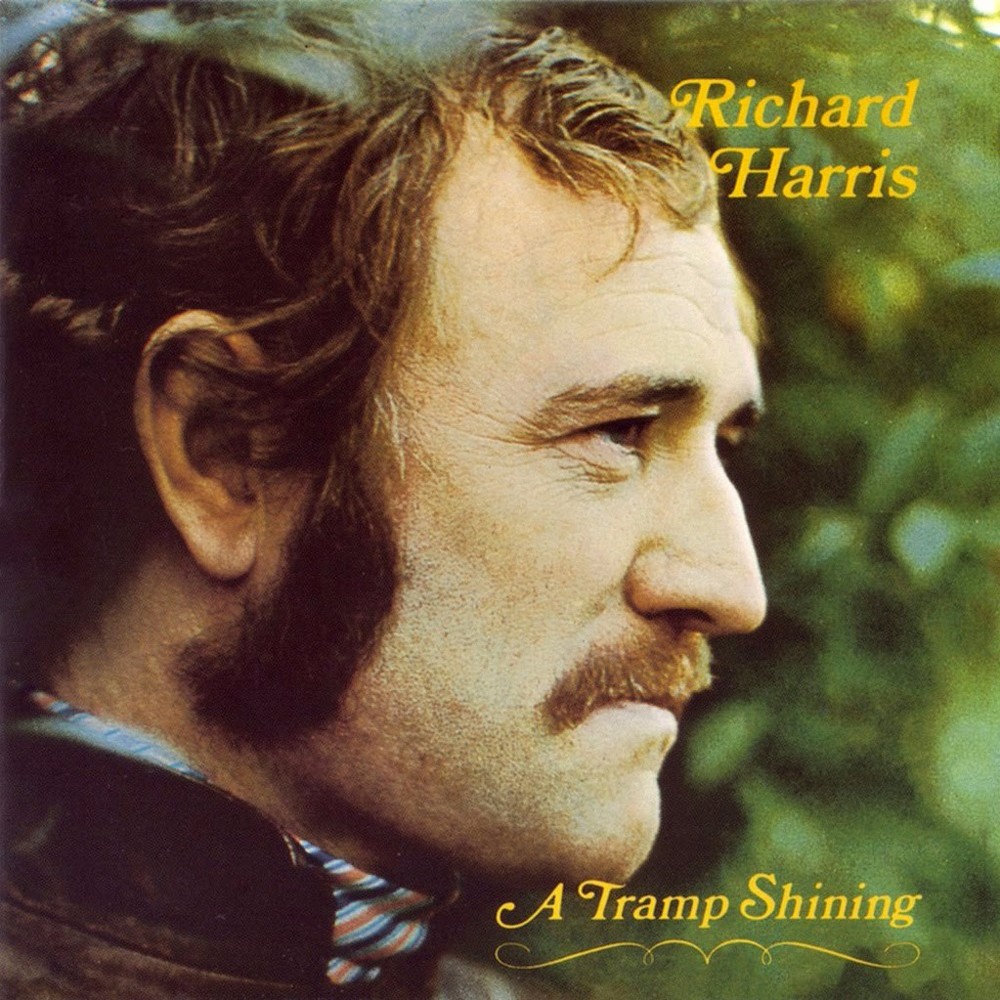
Richard Harris’s “Didn't We” is a masterclass in wistful regret, a poignant exploration of near-misses and the crushing weight of unrealized potential. The song circles around the central question of almost achieving a shared dream, a love, or perhaps a life. The repetition of "Didn't we, girl?" acts as both a plea for validation and a haunting reminder of how close they came to success. Harris isn't wallowing in outright failure, but rather navigating the more subtle and agonizing territory of almost making it. He paints a picture of a relationship defined by its proximity to triumph, forever suspended in the space between aspiration and realization. He introduces himself as a "tramp shining, A brand new clown," setting the stage for a character who is both hopeful and inherently flawed, perhaps destined for comedic tragedy. The image of something precious turning to sand is particularly devastating, suggesting a fumble at the critical moment, a loss of control when victory was within reach.
The lyrics are laden with metaphors of incompleteness and frustration. The un-rhymed poem, the song sung out of tune, and the failed moonshot all speak to a fundamental disconnect, a lack of harmony that ultimately undermines their efforts. The climb, a powerful symbol of struggle and aspiration, is left unfinished. Harris doesn't offer excuses or assign blame. Instead, he focuses on the shared experience of almost succeeding, the collective memory of striving together toward a common goal, even if that goal remains just beyond their grasp. It's a mature and nuanced portrayal of a relationship that may not have lasted, but left an indelible mark.
Ultimately, “Didn't We” resonates because it taps into a universal human experience: the bittersweet ache of unfulfilled dreams. The song isn't just about romantic love; it's about any ambition that falls short, any connection that frays, any potential that remains untapped. It is a gentle, sorrowful meditation on the beauty and the tragedy of trying, even when the outcome isn't what we hoped for. The song forces the listener to confront their own 'almosts,' those moments when they stood on the precipice of success, only to be turned back by fate, circumstance, or their own limitations.
 View Artist