Song Meaning
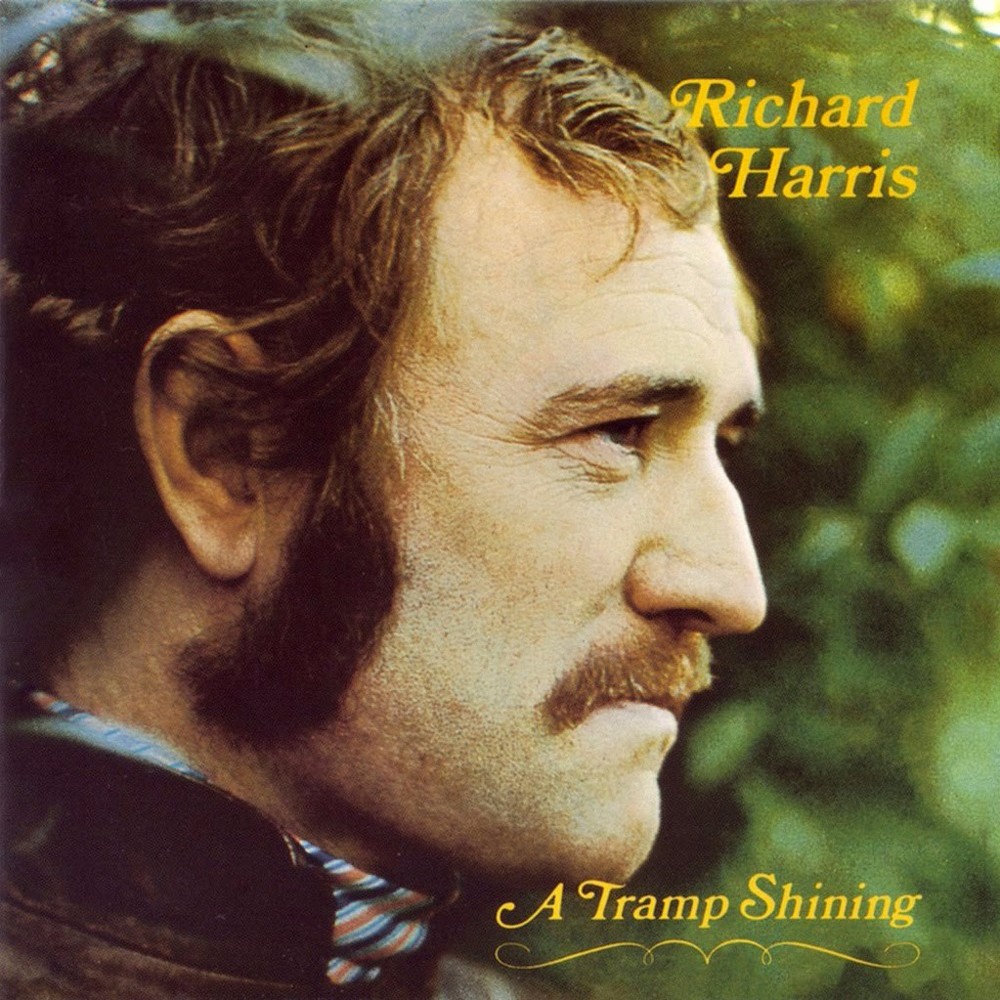
Richard Harris's "A Tramp Shining" is a poignant study in self-delusion, a character sketch painted with the tarnished hues of faded grandeur. The song's core revolves around a repeated phone call – a siren's song that drags the protagonist back into a fantasy of reconciliation. Each verse is a scramble to resurrect a past self, one adorned with 'forgotten hopes,' a 'crumbling crown,' and 'dusty diamonds.' These aren't genuine treasures; they're the moth-eaten props of a once-regal figure now reduced to a 'tramp.' The central irony is sharp: he's shining, yes, but only with the reflected light of a delusion. He is not truly radiant, but rather a 'tramp shining' – a counterfeit king.
The lyrics deftly portray the internal conflict. The repeated phrase 'She's called me again' underscores the cyclical nature of this self-deception. He knows, deep down, that his 'threadbare throne' is inadequate, that he should 'pretend I could have kept her.' The effort required for this charade is palpable. He's not simply welcoming her home; he's constructing an entire reality to accommodate her return, a reality built on fragile foundations of 'old forgotten dreams.' The scepter is 'bent,' the crown 'crumbling' – these are not the trappings of a confident ruler, but the desperate attempts of a broken man to reclaim a lost authority.
Ultimately, "A Tramp Shining" is a character study of a man clinging to a ghost. The final repetition of 'A brand new clown' is particularly brutal. It strips away any remaining pretense of nobility, revealing the pathetic figure beneath the shimmering facade. He's not a king, not even a tramp with hidden potential; he's a clown, performing for an audience of one – himself. The song's power lies in its unflinching portrayal of self-deception, the lengths to which we'll go to maintain a comforting illusion, even when that illusion is as fragile and ultimately degrading as a tramp's borrowed shine.
 View Artist