Song Meaning
The lyrics paint a picture of a shared past tied to a specific, now-altered landscape. The opening lines propose a radical act of creation: "start a new country up." This isn't about literal nation-building, but seems to be a metaphor for reclaiming or redefining a personal space that has been changed, perhaps by external forces or by the passage of time. The reference to "Your father's father's father" hints at a legacy of erasure or revision, suggesting that the current state of the place is a result of past attempts to control or sanitize it. The narrator wants to "fill it in" and "bank the quarry river," actions that imply restoring or reshaping the environment.
The core of the song lies in the tension between memory and present reality. The repeated chorus, "This is where we walked / This is where we swam," grounds the listener in tangible experiences. It’s a poignant insistence on the significance of these moments, urging the listener to "Take a picture here / Take a souvenir." This desire to capture and preserve the past clashes with the implied changes to the landscape, especially the stark declaration, "Cuyahoga, gone." The act of remembering becomes an act of defiance against disappearance.
The most striking imagery comes from the phrase "knee-skinned that river red." This visceral detail suggests a youthful, perhaps reckless, engagement with the natural world, where the physical act of playing left its mark. It contrasts sharply with the idea of erasure and the potential sanitization implied by the ancestor's actions. The river, once a site of vibrant, even painful, youthful experience, is now "gone," a loss that resonates deeply with the desire to preserve memories.
Ultimately, these lyrics resonate because they tap into a universal feeling of nostalgia for places that hold personal significance, places that inevitably change. The song captures the ache of recognizing that while memories remain vivid, the physical spaces where they occurred can be irrevocably altered or lost. The narrator’s plea to remember and preserve, against the backdrop of a vanished landscape, makes the act of recollection feel both urgent and deeply melancholic.
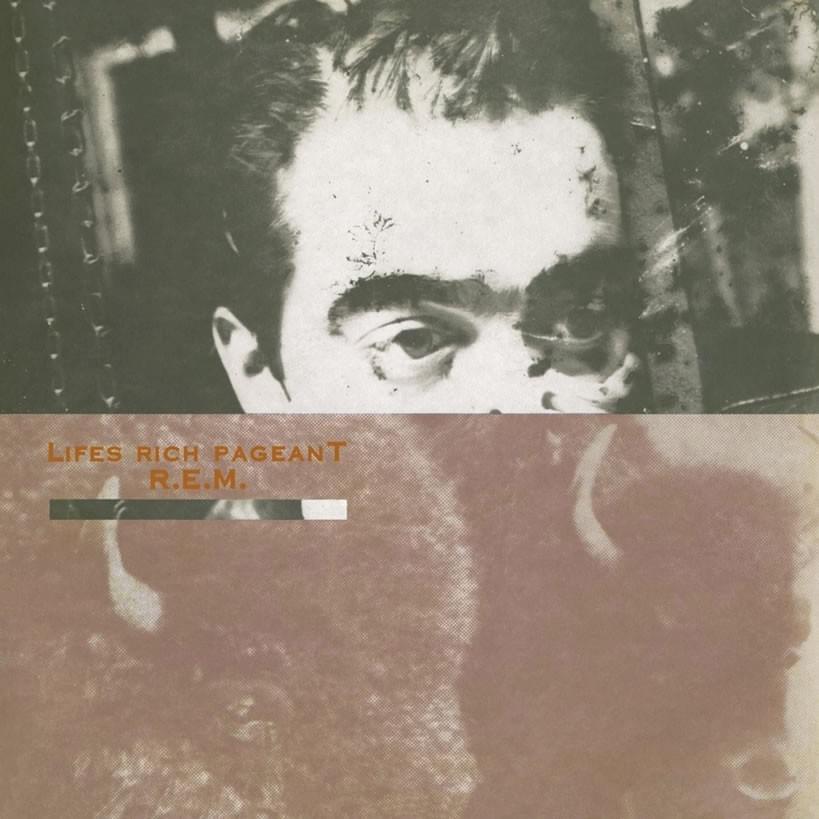
 View Artist