Song Meaning
The lyrics capture a moment of unexpected intimacy that stretches past the point of conventional ending. The repeated phrase "It's too late to call it a night" acts as both a statement of fact and a plea, suggesting a desire to prolong a connection that has just begun to feel significant. The initial verses establish a scene of shared time, perhaps over wine, where the narrator becomes captivated, losing track of everything else.
The central tension lies in the transition from a casual evening to a potentially profound realization. The narrator questions the exclusivity of the moment, "Is it just me and you?" and notes the departure of others, which seems to amplify the intimacy. This shift is underscored by the dawning awareness, "Could it be, do you believe / That we're falling in love?" The lyrics suggest this realization is so potent it overrides the practical need to end the night.
The most striking craft element is the persistent, almost hypnotic repetition of "It's too late to call it a night." This phrase, initially a simple observation about the hour, evolves into an anthem for an emergent feeling. The contrast between the mundane act of the "sun coming up" and the extraordinary emotional discovery of "falling in love" highlights how this late hour has become a threshold for something new and unexpected. The casual "My oh my / Would you look at the time?" further emphasizes the surprise of the situation.
These lyrics resonate because they articulate that specific, almost magical feeling when a night out unexpectedly deepens into something more. The writing grounds this in concrete details – the wine, the lost time, the rising sun – making the narrator's dawning emotional realization feel earned and palpable. It’s the quiet acknowledgment that some moments are too good to simply let end with the dawn.
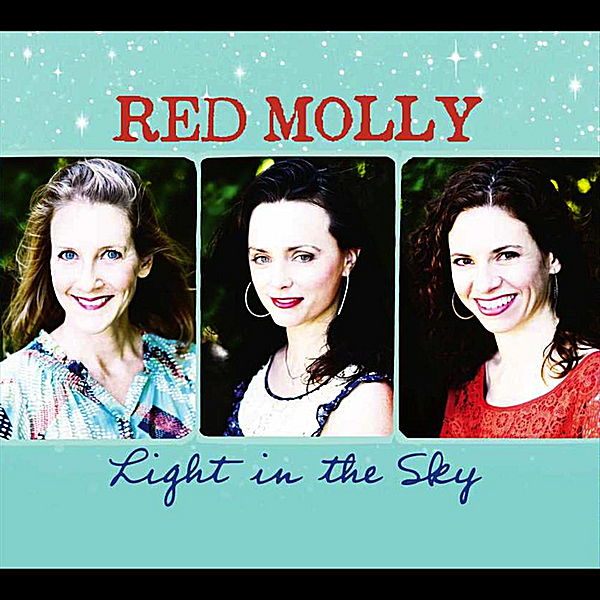
 View Artist