Song Meaning
The lyrics paint a vivid picture of a perfect summer day in rural Kansas, specifically on the Fourth of July. The scene is idyllic, with waving wheat, falling stars, and a palpable sense of peace where "the world was right." This golden memory is framed by the recurring refrain, "Summertime and the living was easier back then," establishing a clear contrast between a cherished past and a more complicated present. The morning is personified as singing "Hallelujah," and the evening offers a quiet "Amen," imbuing the natural cycle with a spiritual, almost sacred quality.
The core tension arises from the narrator's present reality, far removed from that Kansas field. The lines "Sometimes a starless night can leave you misdirected / Sometimes the road you choose is not what you expected" suggest that life has taken unexpected turns, leading away from that initial ease. The narrator is now in "New York City," where the urban sprawl obscures the celestial views of her youth, and her hair has turned grey, marking the passage of time and the accumulation of life's experiences. The mention of finding a husband and having a child grounds this present in tangible, adult responsibilities, a stark contrast to the effortless 'living' of the past.
The most striking craft element is the recurring, almost liturgical refrain that elevates the memory of summer. The repetition of "Morning rose up singing Hallelujah / And every evening whispered its Amen" transforms a simple recollection into a spiritual experience, suggesting that the past held a profound, inherent grace. This contrasts sharply with the present, where the narrator must actively "close my eyes" to recapture that feeling, implying that the ease of that past summer is no longer a passive state but a conscious effort to recall.
Ultimately, the effectiveness of these lyrics lies in their ability to evoke a powerful sense of nostalgic longing through specific, sensory details and a gentle, almost hymn-like structure. The contrast between the expansive, spiritually charged freedom of the Kansas summer and the constrained, yet grounded, reality of urban life creates a poignant emotional resonance. The narrator's ability to access that past ease only through memory and closed eyes highlights the bittersweet nature of looking back on simpler times while acknowledging the richness, however complex, of the life lived since.
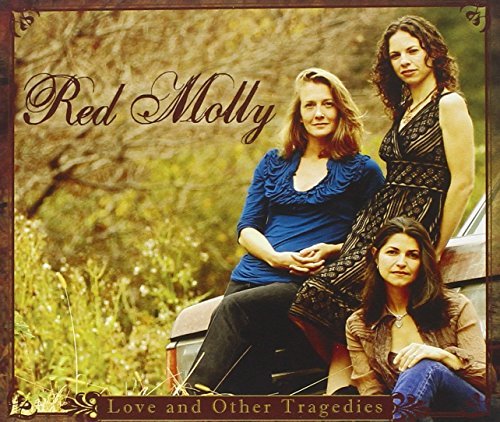
 View Artist