Song Meaning
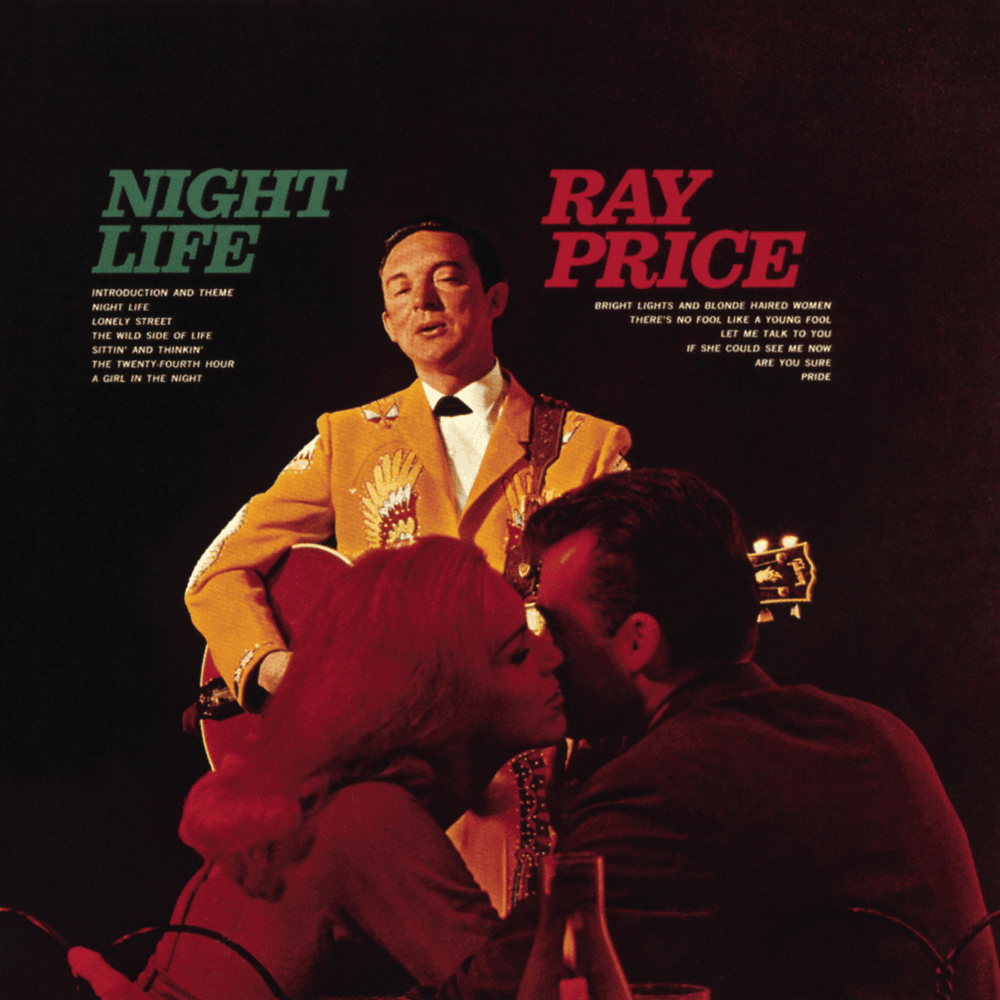
Ray Price's "The Wild Side of Life" isn't just a lament; it's a slow-burning accusation, dripping with the bitterness of betrayal. The song circles the familiar territory of heartbreak, but its potency lies in its stark portrayal of a woman who chooses the fleeting allure of honky-tonk hedonism over genuine affection. It's a fascinating, if somewhat judgmental, snapshot of post-war social anxieties, where traditional values clash with the perceived dangers of female independence and the intoxicating pull of nightlife. The wounded narrator, unable to reach his former lover through conventional means, resorts to song, a public shaming masked as a mournful ballad. He’s not simply heartbroken; he's bewildered by her choice.
The central lyrical hook, "I didn't know God made honky tonk angels," is both a condemnation and a reluctant acknowledgment of a certain type of female agency. It hints at a rigid moral framework, where women are either virtuous wives or fallen angels, with no space in between. This binary view, while arguably simplistic, speaks volumes about the social pressures and expectations placed upon women during the song's era. The 'wild side of life,' with its 'wine and liquor flow,' symbolizes a dangerous freedom, a rejection of domesticity that the narrator struggles to comprehend.
Ultimately, "The Wild Side of Life" transcends its surface narrative to become a commentary on societal expectations, gender roles, and the seductive power of escapism. It's a painful exploration of love lost, not just to another person, but to a lifestyle perceived as morally corrupting. The song's enduring appeal, despite its potentially problematic undertones, resides in its raw emotional honesty and its unflinching portrayal of human vulnerability in the face of a changing world.
 View Artist