Song Meaning
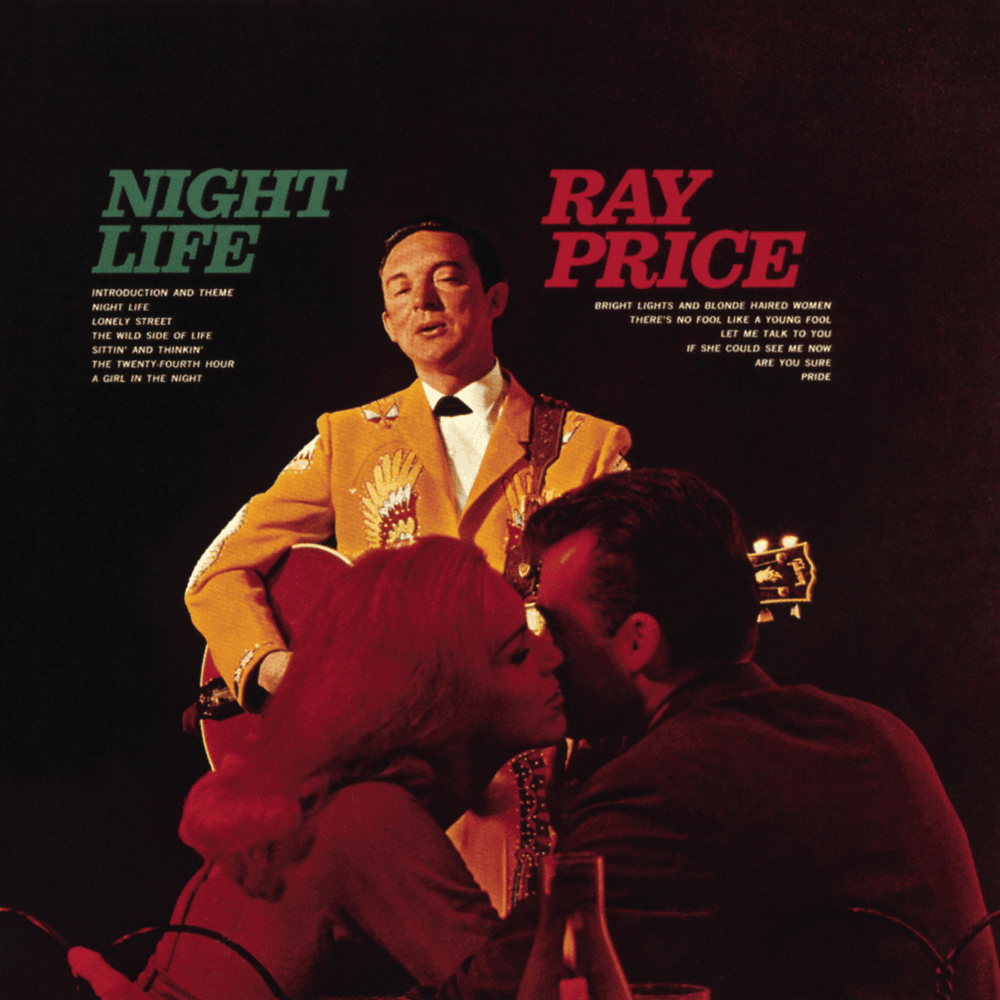
Ray Price’s "The Twenty-Fourth Hour" isn’t just a country ballad; it’s a masterclass in emotional timekeeping. The song’s core concept hinges on a clever, almost cruel twist of the familiar: the standard day stretches into unbearable agony. It’s not merely sadness; it’s a pinpointed, scheduled despair. The brilliance of the "twenty-fourth hour" lies in its specificity. It’s not a general feeling of loss, but a designated period of acute suffering, a daily appointment with grief that the singer anticipates with dread. The lyrics paint a stark picture of someone whose existence is meticulously structured around avoiding, or at least postponing, this inevitable confrontation with heartache.
The verses reveal a man acutely aware of the clock, counting down not to joy or relief, but to the moment when the carefully constructed defenses crumble. The repetition of "I pray that it won't come, but it comes anyhow" underscores the futility of his efforts. There’s a sense of resignation, a weary acceptance that this cycle of pain is inescapable. The song meaning becomes clear: it's about the tyranny of time when grief hijacks it. Time, normally a neutral measure, becomes weaponized, each tick of the clock amplifying the anticipation of sorrow.
The chorus, with its recurring phrase "right about now," acts as a stark, almost theatrical cue. It’s the moment the curtain rises on his private tragedy. The "late show is over and there's no place to go" line is particularly evocative, suggesting a reliance on distraction and a desperate attempt to fill the void. Once the distractions fade, the raw, unfiltered emotion floods in. Ray Price delivers a performance that understands the psychology of grief. The song isn't just about missing someone; it's about the ritualistic, almost compulsive way we can become trapped in our own sorrow, marking time not by events, but by the predictable arrival of pain.
 View Artist