Song Meaning
Raul Seixas's "Lua Bonita" unfolds as a serenade tinged with longing and a sharp critique of stifled passion. The "beautiful moon" is personified, an object of desire cruelly bound to another, in this case, the stoic São Jorge (Saint George). The singer laments the moon's (Lua's) marriage to a man so "serious" he consumes her very being. The lyrics drip with frustration, a sense that Lua's radiant beauty is being wasted, overshadowed by a partner incapable of appreciating her luminescence. There's a palpable tension between the idealized vision of romantic fulfillment and the harsh reality of a love shackled by convention or perhaps even a loveless commitment. The invitation to "leave São Jorge" and "come to my side" is not just a proposition, but a plea for liberation from a joyless existence.
Seixas cleverly uses the figure of São Jorge, traditionally depicted slaying a dragon, to represent a force that suppresses Lua's brilliance. The lyrics suggest that São Jorge's dominance, his "stepping on your splendor," is the very reason for Lua's unhappiness. This isn't merely a tale of unrequited love; it's an allegory for the stifling effects of societal expectations and the courage required to break free. The singer positions himself as the antithesis of São Jorge, an outsider ('sou alheio') offering a path to 'live without pain,' a life where Lua's beauty can shine unburdened.
At its heart, "Lua Bonita" explores the conflict between passion and constraint. The song’s meaning resides in the yearning for a connection that transcends societal norms. The moon, a timeless symbol of romance and mystery, becomes a metaphor for untapped potential, a beauty yearning to be set free. Raul Seixas doesn't just offer Lua an escape; he offers her a chance to truly live, to shed the weight of obligation and embrace the liberating power of genuine love. The song resonates because it taps into a universal desire to break free from the forces that dim our own inner light.
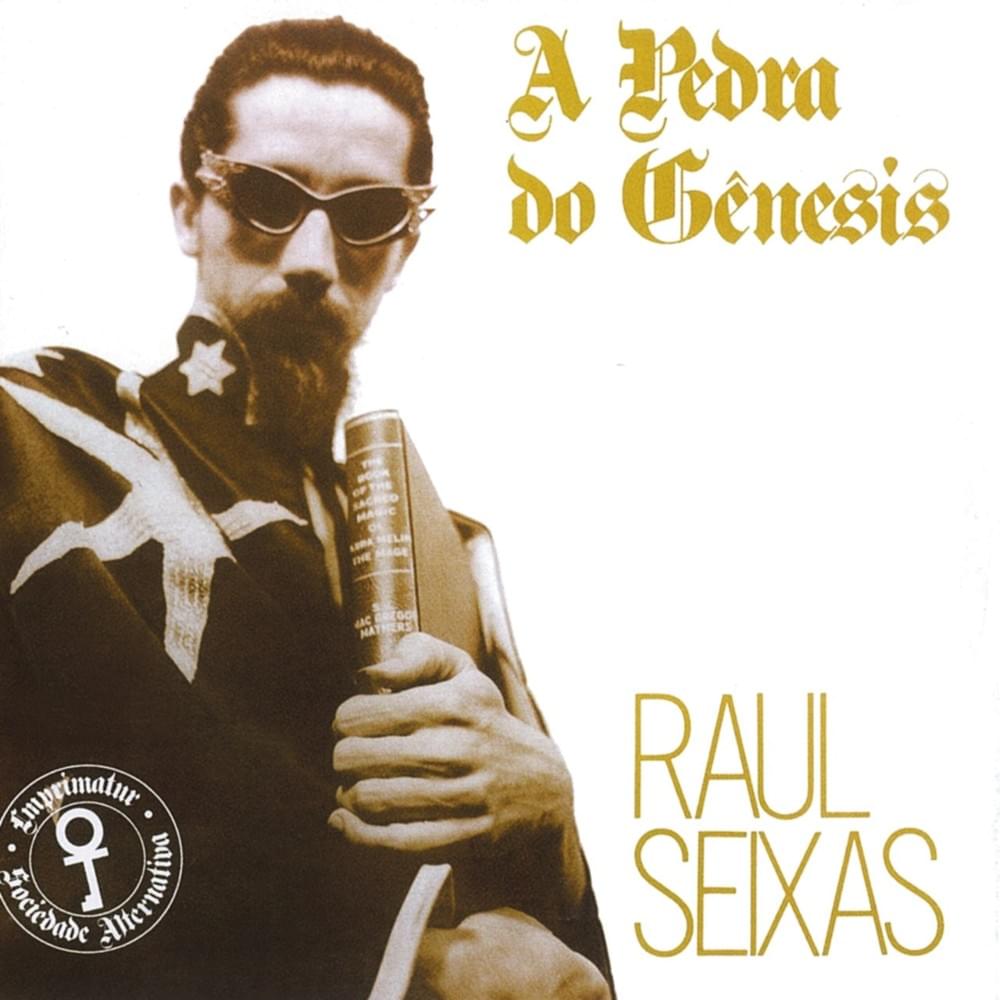
 View Artist