Song Meaning
The lyrics immediately plunge into a sharp, visceral dismissal of "Don Diego," a figure painted as utterly out of touch. The speaker rejects everything about him, describing a mind that "no le llega el riego sanguíneo." This isn't just disagreement; it's a complete, almost physical, repudiation.
The core tension lies in this stark contrast: Don Diego's perceived ignorance versus the speaker's deliberate embrace of a different kind of "blindness." While Don Diego is "ciego" despite "ojos verdes," the speaker actively seeks a state of elevated detachment, declaring, "Ciego que voy a ver, si no tengo nada que hacer." This suggests a chosen escape from a world that offers little purpose, finding solace in self-induced oblivion.
The most striking craft element is the ritualistic sequence of actions: "Lo quemo, lo mezclo pliego, enchufo y tarareo." This isn't just a list; it's a rhythmic, almost incantatory process, likely describing the preparation and consumption of a substance. The word "tarareo" (humming) acts as a recurring anchor, a simple, repetitive sound that grounds the speaker amidst the chaos or emptiness, culminating in the elongated, almost hypnotic "tarararararararareo," which mimics the act itself, drawing the listener into the speaker's detached state.
These lyrics resonate because they capture a defiant spirit through raw, unvarnished language. The vivid, almost crude imagery used to describe Don Diego ("no le llega el riego sanguíneo") makes the rejection feel intensely personal and authentic. The speaker's subsequent turn to self-soothing through smoking and humming, capped by the emphatic "Y no y no y no y nooo," creates a powerful sense of agency in detachment. It's a refusal to engage with a world perceived as blind, opting instead for a self-created, humming void.
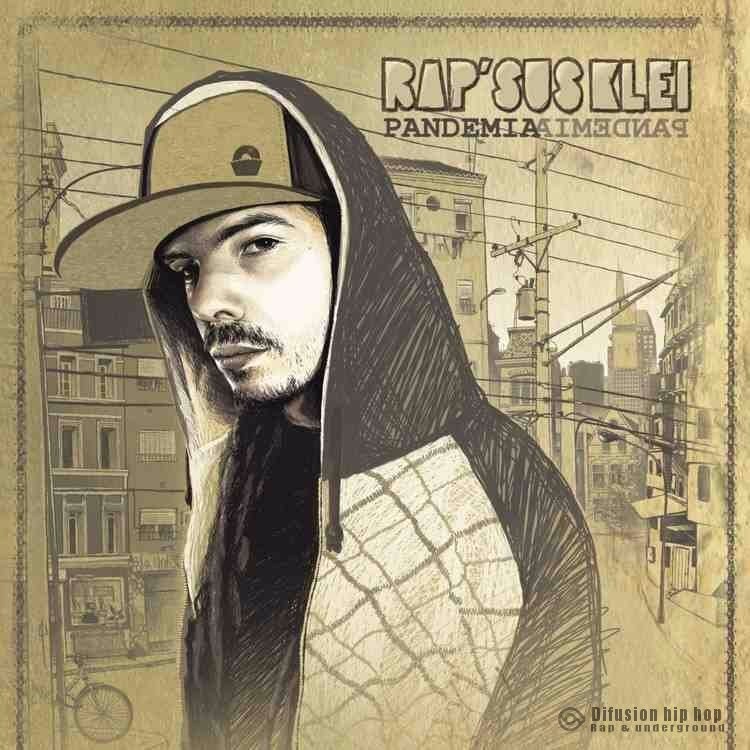
 View Artist