Song Meaning
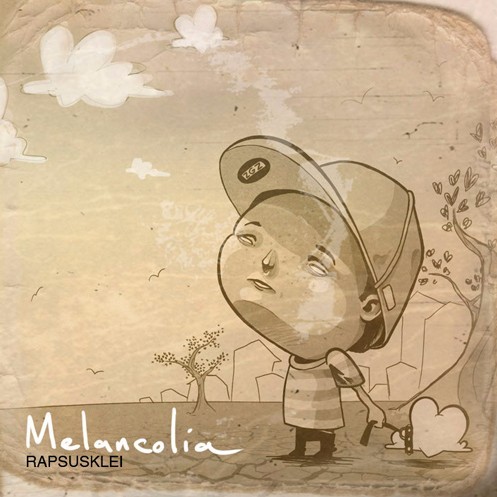
This intro sets a somber, introspective tone, immediately establishing a theme of lost love and artistic devotion. The narrator connects his personal narrative to the classic "ugly duckling" story, suggesting a past of feeling out of place or unappreciated. He frames his life as a display piece, a "trozo de calle" in a "museo," highlighting a sense of being exposed yet perhaps misunderstood. This initial imagery grounds the piece in a feeling of melancholic reflection.
The core tension emerges from the narrator's struggle with his own creative drive and its relationship to love and pain. He describes his rapping as something that "engancha como el sexo y me mata como el boxeo," a powerful, addictive force that is both exhilarating and destructive. His "trofeo" is simply "el boli y el papel," emphasizing that his art is his primary, perhaps only, reward, a desire "tatuado en mi piel." This suggests a life deeply intertwined with his poetry, to the point where it defines his existence and his suffering.
The lyrics paint a vivid, complex picture of life's duality. The narrator sees the world as a "burdel con olores a jazmín," a place of both cheapness and fleeting beauty. He contrasts a woman's ability to be a "princesa" with her capacity to be a "puta," highlighting the compromises and harsh realities that exist between "honor y sueños." This duality extends to his own role as a "lazarillo" trying to guide a "ciego" world, only to find himself "ahoga en los mares de lo profundo," a profound sense of being overwhelmed by the very world he tries to navigate.
Ultimately, the effectiveness of these lyrics lies in their raw, unflinching portrayal of artistic struggle and emotional vulnerability. The narrator doesn't shy away from the pain, describing himself as a "vagabundo" who "sangra gotas de amor y que llora melancolía." The closing lines, where "la inspiración danza loca" and his "mirada... llora mi boca," beautifully capture the bittersweet essence of creative expression born from deep emotional experience. It’s this honest confrontation with his inner world that makes the melancholic atmosphere so potent.
 View Artist