Song Meaning
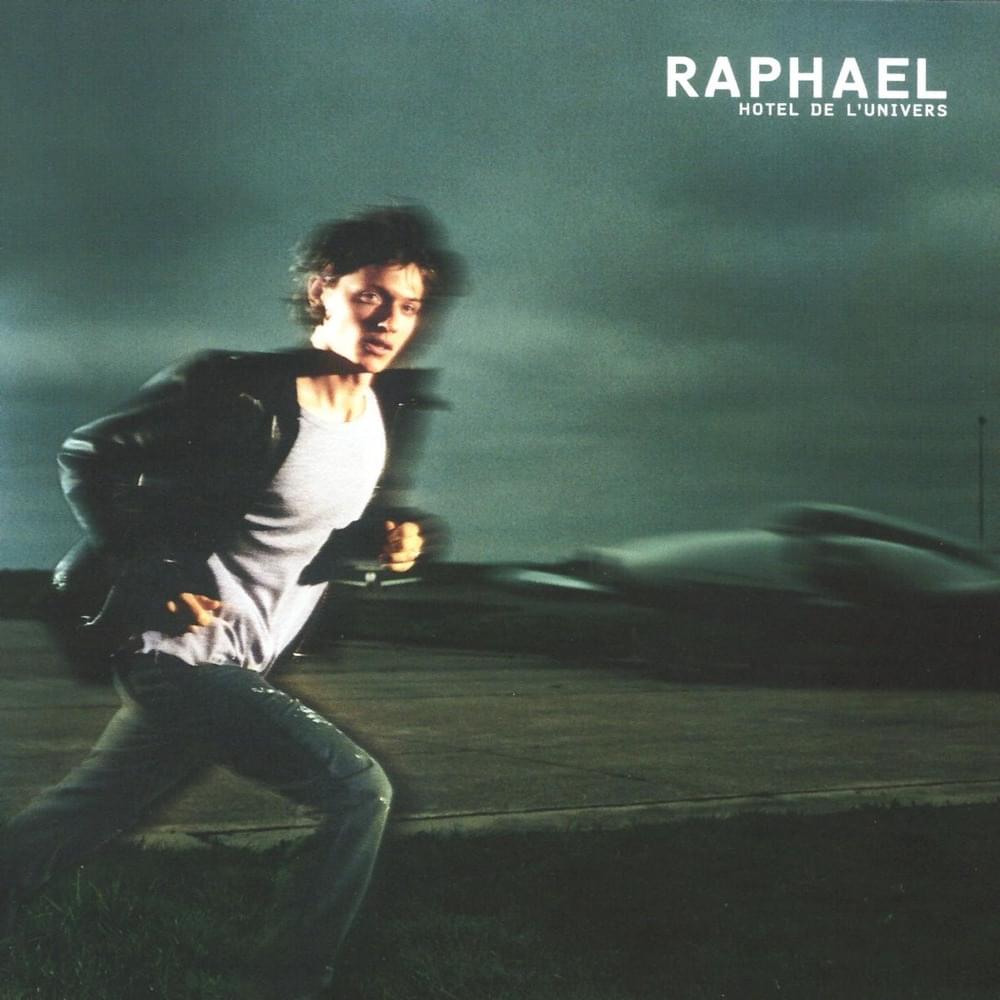
{"song_id": 13013161, "meaning": "Raphael's \"Hôtel de l'univers\" isn't just a song; it's a subtly scathing commentary on contemporary life, masked as a simple, almost naive observation. The surface simplicity—listing basic needs like \"a house, a family, children, friends\"—quickly gives way to a deeper, more unsettling perspective. The repeated refrain, \"On n'a besoin de rien\" (\"We don't need anything\"), becomes increasingly ironic as the song progresses, highlighting the chasm between genuine human needs and the manufactured desires of modern society. It's a mantra of denial in the face of overwhelming consumerism and societal pressure. Raphael seems to suggest that this 'nothingness' is both a source of potential freedom and a symptom of a deeper malaise. The individual is both liberated by choice and paralyzed by the overwhelming array of options.
The \"Hôtel de l'univers\" itself acts as a central metaphor. Open every day, offering modern comfort and round-trip deals, it represents the easily accessible but ultimately superficial nature of contemporary life. It's a place of transient experiences, where one can come and go, but the fundamental system remains unchanged. This speaks to a broader critique of societal structures that prioritize convenience and consumption over genuine change or fulfillment. The lyric \"Mais on ne change pas le système / Mais c'est sans garantie\" (\"But we do not change the system / But it is without warranty\") underscores the precariousness of this modern existence, suggesting that the promises of comfort and progress are ultimately hollow.
Furthermore, the song delves into themes of national identity and expansionism. The lines about \"a nation that eats, that drives cars\" and the ambition to \"send colonists to the sky\" reveal a cynical view of progress driven by consumption and a relentless pursuit of growth. The repeated phrase \"Pour être un homme plus moderne / Plus moderne au corps parfait\" (\"To be a more modern man / More modern with a perfect body\") exposes the impossible standards of modern masculinity, driven by consumerism and unattainable ideals. It's a world of striving for an ever-elusive perfection, masking a deeper sense of emptiness and alienation. Raphael's lyrics paint a portrait of a society caught in a cycle of wanting, consuming, and ultimately, never truly being satisfied, despite claiming to need nothing."}
 View Artist