Song Meaning
Raphael's "Prochaine station" isn't just a song; it's a stark, intimate confession delivered with a Parisian shrug. The recurring motif of the train station becomes a purgatorial space, a transient zone where apologies are offered and existential anxieties simmer. It's a journey, but one less about physical destination and more about the stations of the self—guilt, regret, and the faint glimmer of possible redemption. The repeated line, "A la prochaine station," serves as both a mantra and a haunting reminder of life's impermanence. Are we approaching salvation or further descent? Raphael leaves the answer ambiguous.
The lyrics paint a picture of a flawed protagonist grappling with his own nature. He acknowledges his shortcomings ("J'étais un peu noir"), framing human behavior as inherently animalistic ("On est que des animaux"). This isn't a justification, but rather a weary observation. The lies, the animalistic tendencies—they're all part of the human zoo, a place where we may "sécaille" (flake) but still try to keep each other warm. The train, then, symbolizes the relentless march of time and progress, leaving some behind, watching it pass. This idea is reinforced by the admission of being "une espèce en voie d'extinction" (an endangered species), hinting at something fading or lost within the modern human condition.
Ultimately, "Prochaine station" is a melancholic meditation on the human condition. The juxtaposition of "le calvaire la résurrection" (calvary and resurrection) at the next station suggests a cyclical pattern of suffering and potential renewal. The apology, "Excuse-moi," is not just for a specific transgression, but for the inherent messiness of being human. The "voie d'extinction" (path to extinction) isn't necessarily literal; it could represent the slow erosion of empathy, authenticity, or connection in an increasingly disconnected world. Raphael's song meaning lies in its raw vulnerability, its willingness to confront the darker aspects of self, and its subtle hope for something better waiting just around the bend, at the next station.
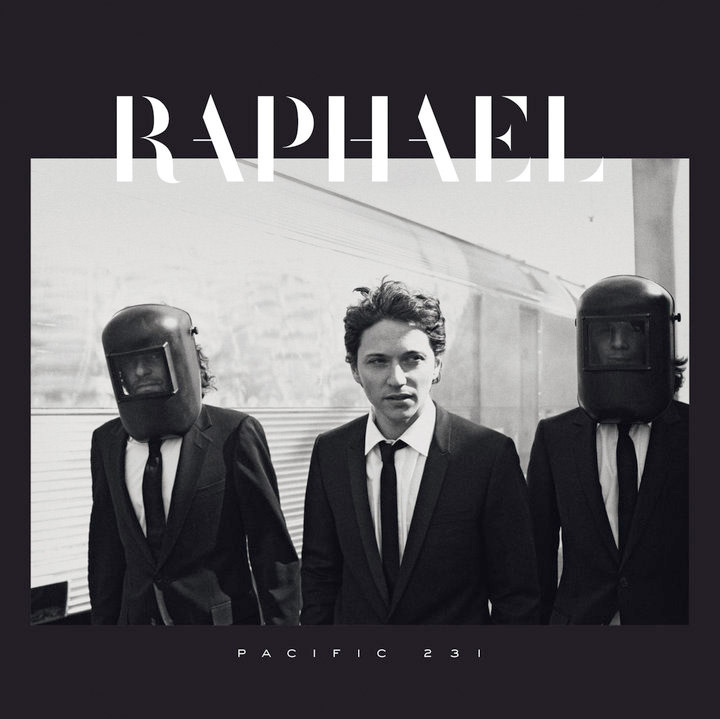
 View Artist