Song Meaning
The narrator insists on the unparalleled depth of their love, framing it as an absolute truth that the listener should accept. The repeated command, "Convéncete, convéncete" (Convince yourself, convince yourself), coupled with "Olvídate, olvídate" (Forget, forget), suggests a desperate attempt to make the other person internalize this singular devotion. It’s a bold, almost defiant declaration that no one else could possibly match this intensity, positioning their love as the ultimate standard.
The core tension lies in this assertion of exclusivity versus the implied doubt or resistance from the beloved. The narrator isn't just stating their love; they're actively trying to persuade someone who seems unconvinced or perhaps is considering other options. The repetition of "Nadie te amará" (No one will love you) amplifies this, creating a sense of urgency and possessiveness. This isn't a gentle confession but a powerful, almost forceful argument for their unique bond.
The lyrics employ a series of powerful, elemental, and existential comparisons to illustrate the magnitude of this love. It's described with the "fuerza de los mares" (strength of the seas) and the "ímpetu del viento" (impetus of the wind), vast and uncontrollable forces. The narrator also claims to love "en la distancia y en el tiempo" (in distance and in time), suggesting a love that transcends physical presence and temporal limits. This expansive imagery elevates the feeling beyond ordinary affection to something cosmic and eternal.
What makes these lyrics so impactful is their unwavering, almost overwhelming conviction. The narrator piles on comparisons – from the primal needs of a child for its "mañana" (tomorrow) to the deep-seated nature of memory – to build an irrefutable case for their love's supreme quality. The contrast between "a puro grito y en silencio" (by pure shout and in silence) and the inclusion of both "alegría y en el llanto" (joy and in tears) and "peligro y en la calma" (danger and in calm) demonstrates a love that is all-encompassing, present in every conceivable state of being. This totality is what the narrator wants the other person to believe is unmatched.
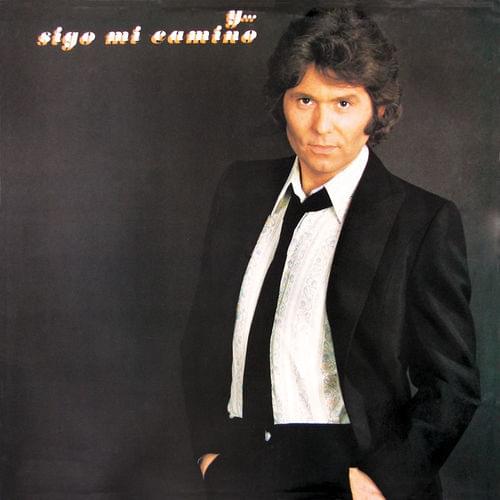
 View Artist