Song Meaning
The lyrics paint a picture of betrayal, starting with the narrator's unwavering trust in a supposed "good friend." This friend delivers devastating news: "she" has been unfaithful. The narrator readily accepts this information, emphasizing the friend's supposed "loyalty" and "heartfelt" nature. This initial setup highlights a deep-seated belief in the friend's integrity, making the subsequent revelation all the more jarring.
The central tension explodes when the narrator discovers the truth firsthand. Seeing "her" with "her suitor" confirms the friend's story, but with a devastating twist. The friend isn't just a messenger; he's the "rival." This stark contrast between the perceived "good friend" and the actual betrayer fuels the emotional core of the song, turning a story of infidelity into a profound lesson about misplaced trust.
The most striking aspect is the ironic repetition of "mi amigo fiel" (my faithful friend) juxtaposed with the crushing realization of his betrayal. The phrase, initially used to underscore the friend's trustworthiness, becomes a bitter taunt. The lyrics cleverly shift from celebrating a "good friend" to lamenting a "bad friend," with the same individual embodying both roles through his deceit.
This lyrical construction is effective because it mirrors the shock of discovering a double betrayal. The narrator's initial naivete, amplified by the friend's supposed "loyalty," makes the final blow – that the "faithful friend" is the "rival" – hit with maximum impact. The abrupt shift from "Nada mejor que un buen amigo" to "Nada peor que un mal amigo" encapsulates this gut-wrenching emotional reversal.
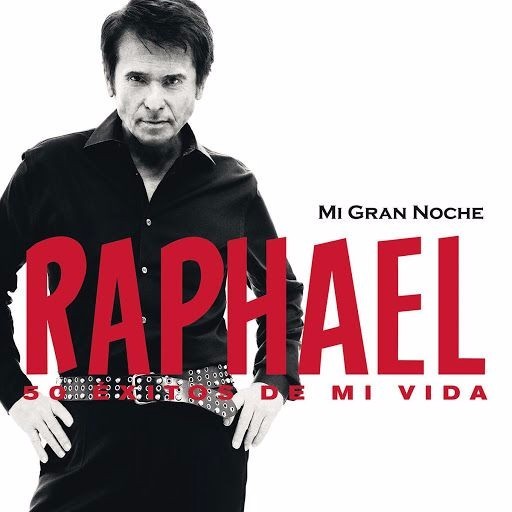
 View Artist