Song Meaning
The lyrics paint a picture of someone deeply changed by a past relationship. The narrator recounts how their partner introduced them to a world of new experiences, framing them as inherently wonderful. This partner arrived subtly, like a temptation, stirring a sense of unease and filling the narrator's heart with it. It’s clear the narrator was initially naive about love, struggling to understand affection within the partner's unconventional perspective.
This initial bewilderment gives way to learning and adaptation, as the narrator states, "Y por ti aprendí" (And because of you, I learned). The core of the song's emotional weight lies in the stark contrast between this period of intense learning and the present reality of abandonment. The narrator is left grappling with the consequences of being so thoroughly shaped by someone who has now departed.
The most striking aspect is the central question posed: "¿Por qué no me enseñaste / Cómo se vive sin ti?" (Why didn't you teach me / How to live without you?). This isn't just a plea for explanation; it's an indictment of the partner's incomplete tutelage. The narrator feels abandoned not just emotionally, but practically, left without the skills to navigate life post-relationship. The repetition of the partner's subtle, tempting arrival and the subsequent filling of the heart with unease underscores how deeply this person infiltrated the narrator's life.
Ultimately, the effectiveness of these lyrics stems from their portrayal of profound dependency born from a seemingly positive transformation. The narrator isn't just sad; they are fundamentally unequipped for their current reality because the very person who taught them how to live *with* them, never taught them how to live *without* them. This leaves the listener with a potent sense of unresolved loss and the lingering sting of incomplete lessons.
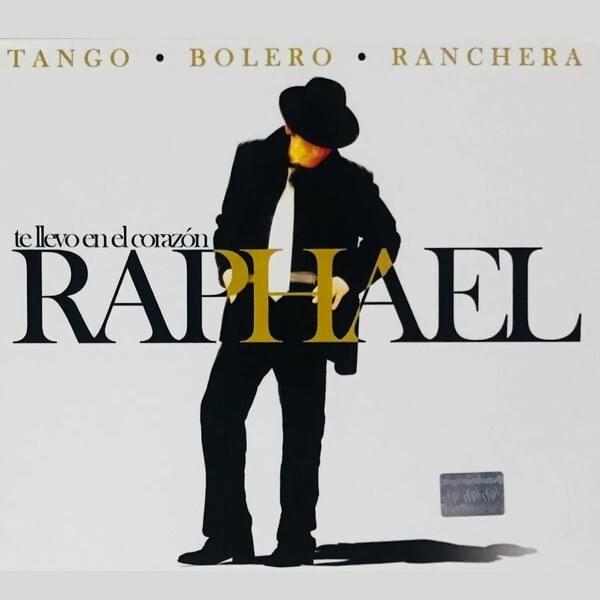
 View Artist