Song Meaning
The narrator lays out a simple, almost childlike, declaration: "Todas las chicas me gustan." It's a statement of indiscriminate affection, where no one is deemed unattractive. This initial sentiment is reinforced by the almost onomatopoeic "pom, pom, pom, pom" of the heart, suggesting an immediate, visceral, and perhaps unthinking reaction to all women.
This broad appreciation, however, contains a subtle tension. The narrator claims to like girls "Por una cosa o por veinte," implying a superficial scanning for reasons, yet the heart's consistent "pom, pom, pom, pom" suggests a deeper, involuntary response. The lyrics then pivot, listing specific women and their attributes – Marisa's laugh, Consuelo's hair, Milagros' lips, Leonor's love – which momentarily grounds the abstract affection in concrete details.
The most striking element is the final turn. After the sweeping generalization and the specific examples, the narrator singles out one person: "Pero tu más que ninguna." This shift from universal liking to singular preference, especially when occurring "a la luz de la luna" while "Hablamos de amor tú y yo," recontextualizes the entire song. The initial indiscriminate liking now appears to be a preamble, a way of setting the stage for a more profound, specific connection.
This structure makes the lyrics effective by creating a relatable, almost humorous, initial premise that is then subverted by genuine, focused affection. The contrast between the initial, almost comical, broadness and the final, intimate specificity is where the emotional weight lies, suggesting that even a heart that "likes all girls" can find one that truly stands out.
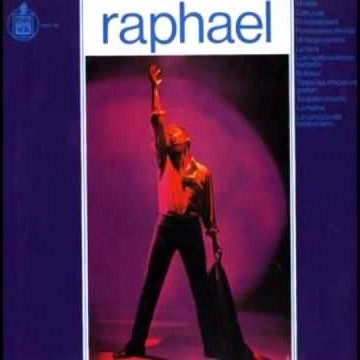
 View Artist