Song Meaning
The narrator receives word that an ex has reappeared, claiming repentance and sleepless nights spent thinking of them. This news is met with immediate skepticism, as the narrator recognizes the familiar plea as "ese mismo bolero"—a worn-out tune they've heard too many times before. The past experience of believing these words, saying "si," and subsequently regretting it, leading to significant personal cost ("lo pague con creces"), has clearly left a deep scar.
The central tension lies in the narrator's firm refusal to fall for the ex's supposed transformation. The phrase "Toco madera" (knock on wood) acts as a superstitious ward against the bad luck associated with this person and their promises. The narrator declares they won't return, "por mas que quieras," and that loving them brought "mala suerte." This isn't just a breakup; it's a declaration of self-preservation against a toxic pattern.
The lyrics cleverly employ the metaphor of the "zorro" (fox) losing its fur but not its cunning ("pierde el pelo, nunca las mañas"). This image directly refutes the ex's claims of having "cambiado de vida" and being "encaminado." The narrator sees through the act, recognizing these as "artimañas" (tricks) designed to deceive. The repetition of "Ese mismo bolero" reinforces the cyclical nature of the ex's manipulative tactics and the narrator's resolve to break free.
This song hits hard because it captures the weary, yet resolute, stance of someone who has been hurt before and refuses to be a victim again. The directness of the language, combined with the vivid imagery of the fox and the superstitious plea to "knock on wood," creates a powerful sense of finality. The narrator's assertion that it's "mas perderte que encontrarte" (better to lose you than find you) is a stark, effective statement of emotional liberation achieved emotional distance and hard-won peace.
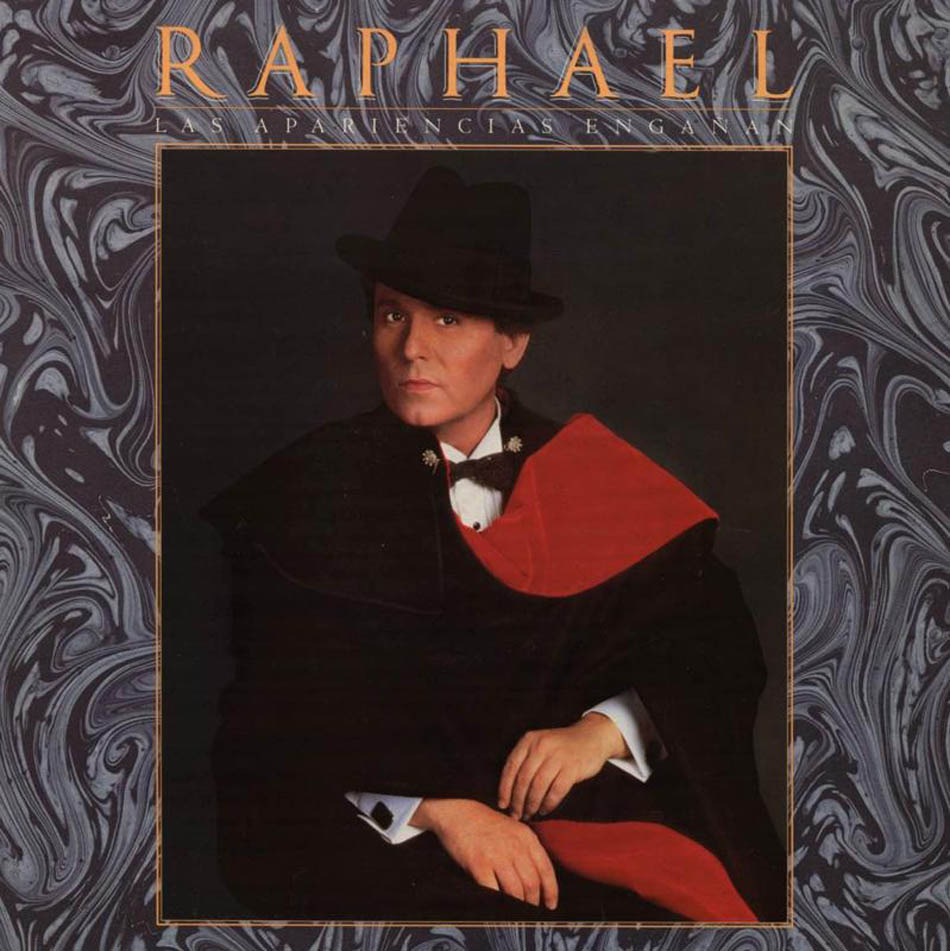
 View Artist