Song Meaning
This track is a stark declaration of intent to leave a painful past behind. The narrator is fed up, stating plainly, "Te voy a echar al olvido" – I'm going to cast you into oblivion. The immediate emotional texture is one of resolute finality, born from prolonged suffering. The core message is a clean break, severing ties with someone who has caused immense pain and confusion.
The central tension arises from the narrator's decision to reclaim their life after a relationship that has clearly been detrimental. The lyrics express a profound weariness with the suffering endured, to the point where the very concept of love has become distorted: "Ya no se lo que es quererte" – I no longer know what it is to love you. This isn't just about ending a relationship; it's about escaping a negative influence that has warped their perception and their well-being.
The most striking aspect of the craft is the relentless repetition of the phrase "Mi suerte cambio contigo / Lo malo fue conocerte." This isn't just a lament; it's a direct indictment, framing the entire relationship as a negative turning point, a source of bad luck. The insistence on this point underscores the depth of the narrator's regret and the conviction that meeting this person was a mistake that fundamentally altered their life for the worse. The repeated vow "Te voy a echar al olvido / Y juro que es para siempre" reinforces this absolute commitment to moving on.
What makes these lyrics hit so hard is their unvarnished honesty and the narrator's determined self-preservation. The decision to forget is presented not as an act of weakness, but as a necessary step to avoid further pain and to prevent a future breakdown. The imagery of leaving "Sin llanto ni despedida" – without tears or farewell – and avoiding the shame of "Llorando como un cobarde" – crying like a coward – paints a picture of someone reclaiming their dignity and strength by choosing oblivion over oblivion.
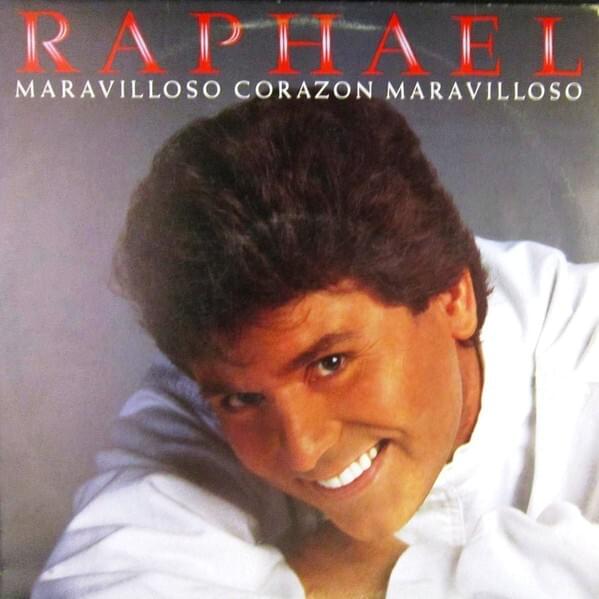
 View Artist