Song Meaning
The narrator is reeling from a sudden, unexplained departure, their world shattered by the loss. The initial shock manifests as a torrent of tears, a complex mix of love, resentment, and pain stemming from perceived betrayal. This raw grief is amplified by a profound sense of loneliness, leaving them desperate for answers and a return of their lost love. The intensity of their suffering is palpable, framing the absence as an existential threat.
The central tension lies in the narrator's bewildered plea for an explanation, a desperate attempt to grasp the reason behind the abandonment. They insist they provided no cause for the departure, highlighting their perceived faithfulness and the lack of any wrongdoing on their part. This insistence underscores their confusion and the perceived injustice of the situation, fueling their yearning for the person to come back and offering unconditional forgiveness.
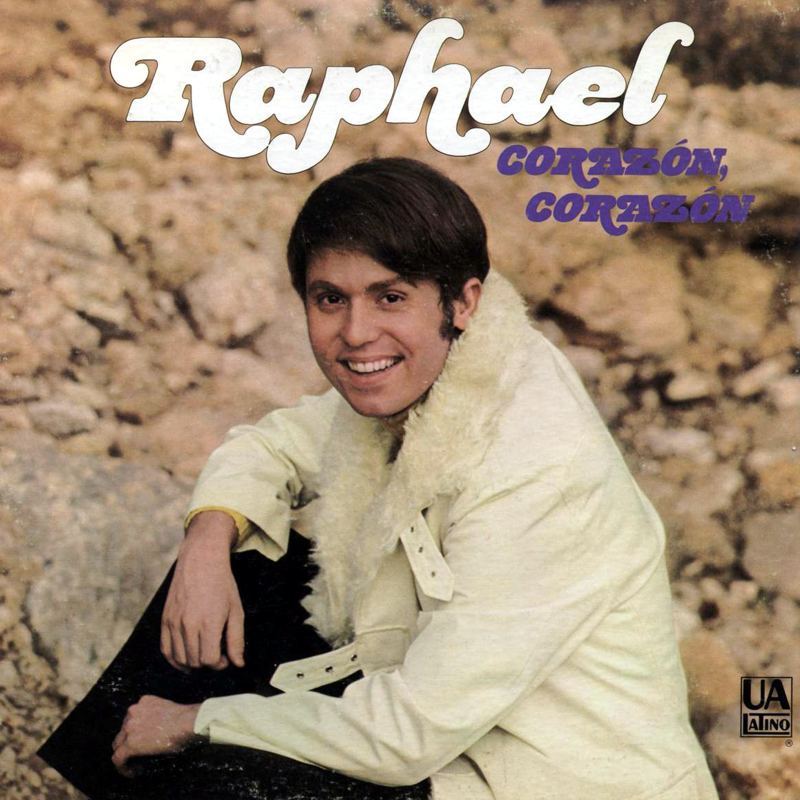
The lyrics repeatedly address the lost love as "corazón" (heart), a direct and intimate term of endearment that also signifies the core of their being. This direct address, coupled with the repeated questions of "Dime por qué te fuiste" (Tell me why you left), emphasizes the narrator's deep emotional wound and their inability to comprehend the separation. The repeated pleas to "Vuelve otra vez a mi rincón" (Come back to my corner again) paint a picture of a confined, lonely space now devoid of its vital presence.
This song's power comes from its unvarnished portrayal of heartbreak and confusion. The narrator's raw emotional outpouring, their insistence on their own blamelessness, and their desperate, repeated pleas create a potent sense of vulnerability. The direct address to "corazón" makes the pain feel intensely personal, capturing the devastating impact of a love abruptly taken away without reason.
 View Artist