Song Meaning
The narrator opens with a stark declaration: "No, la verdad / No, no me puedo quejar." This isn't a statement of contentment, but rather a hard-won acceptance of their past, encompassing both the good received and the suffering endured. The repetition of this phrase anchors the song in a place of resignation, suggesting a deliberate choice to move beyond grievances. It sets a tone of finality, as if a ledger has been balanced.
The core tension lies in the narrator's relationship with their past experiences, particularly past loves. They acknowledge living "De recuerdos viví / Que me hicieron soñar," but then immediately question the authenticity of that happiness, admitting, "Que tal vez confundí / Con la felicidad." This suggests a past built on illusions, where fleeting "falsos placeres" were mistaken for genuine joy. The contrast between the dream-like memories and their ultimate disillusionment fuels the song's emotional weight.
The most striking aspect of the lyrics is the narrator's active process of closure. They state, "Ya pagué, renuncié / Y olvidé todo lo que pasé." This isn't passive forgetting, but an intentional act of paying debts, renouncing claims, and discarding memories. This deliberate erasure allows them to embrace a new beginning, finding renewed purpose and faith in a present encounter: "Te encontré, tengo fe / Y por ti hoy empiezo a vivir." The past, whether it brought happiness or tears, is now framed as something that "pasó / Nada que lamentar."
This lyrical arc is effective because it grounds profound emotional release in concrete actions and a clear shift in perspective. The narrator doesn't just feel better; they have actively worked through their past, making a conscious decision to let go. The final lines, "Si me hicieron feliz / O me hicieron llorar / Lo pasado pasó / Nada que lamentar," encapsulate this hard-won peace, transforming potential bitterness into a quiet, resolute acceptance of life's complexities.
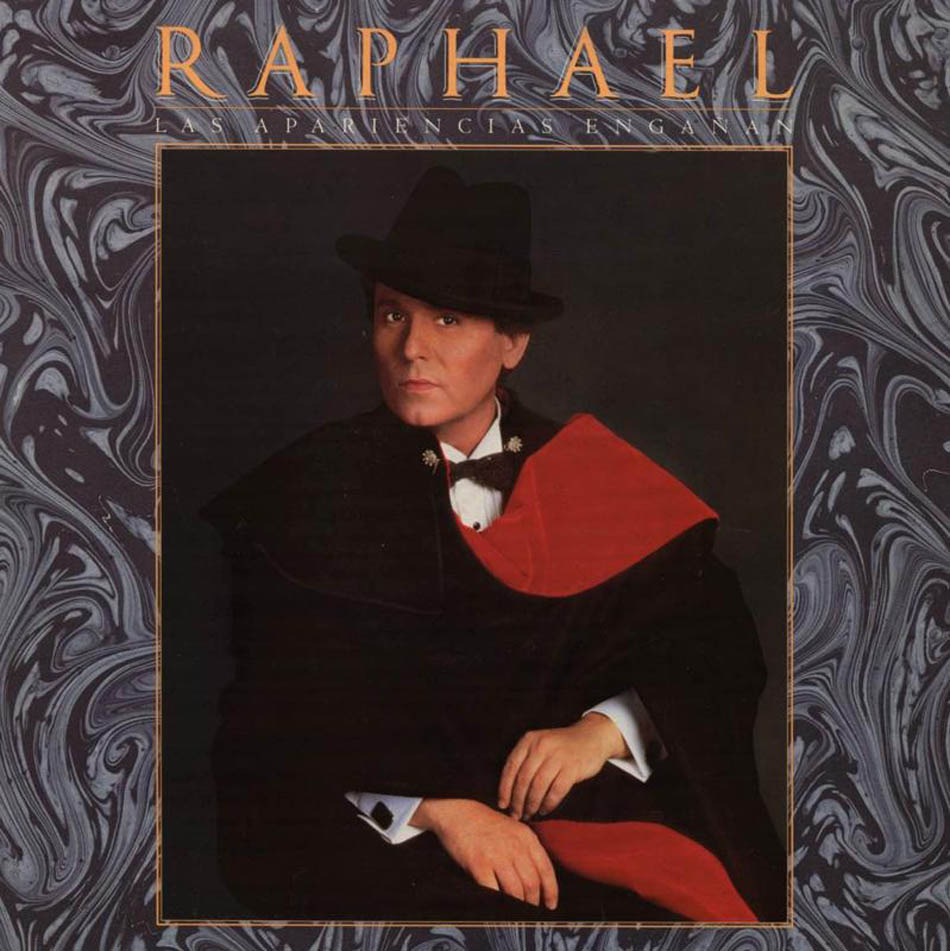
 View Artist