Song Meaning
The lyrics paint a picture of someone caught in a cycle of late nights and isolation, seeking solace in the idea of a magical night where a 'duende' (a spirit or goblin) invites dreams. There's a sense of being overwhelmed, with the narrator admitting they've barely stopped and feel like they're drifting. The early dawn only emphasizes their solitude, yet strangely, they express no regret for the previous day's actions, suggesting a defiant embrace of their current state.
The core tension arises from the contrast between the desire for escape and the feeling of being trapped. The narrator hears about the night's magic and the stars offering guidance, making them feel invincible – 'that nobody can touch you.' Yet, simultaneously, the physical space of 'this room' is described as shrinking, 'menguar y menguar,' creating a claustrophobic feeling that clashes with the expansive, empowering imagery of the stars. This shrinking room becomes a potent metaphor for their internal state.
The most striking craft element is the repetition of the chorus, hammering home the paradox of feeling strong yet alone as dawn breaks. The phrase 'Amanece tan pronto y yo estoy tan solo' (Dawn breaks so soon and I am so alone) is a stark, almost bleak observation that underpins the entire narrative. The repeated assertion of not regretting 'lo de ayer' (yesterday's events) alongside the feeling of invincibility suggests a temporary, perhaps self-destructive, high that the narrator is clinging to, even as reality sets in with the morning light.
Ultimately, these lyrics resonate because they capture a specific kind of nocturnal melancholy. It's that feeling of being adrift, fueled by a fleeting sense of power derived from isolation and perhaps poor decisions, only to be confronted by the stark reality of solitude as the night fades. The shrinking room and the early dawn serve as powerful, grounded images that make the narrator's internal struggle palpable and deeply felt.
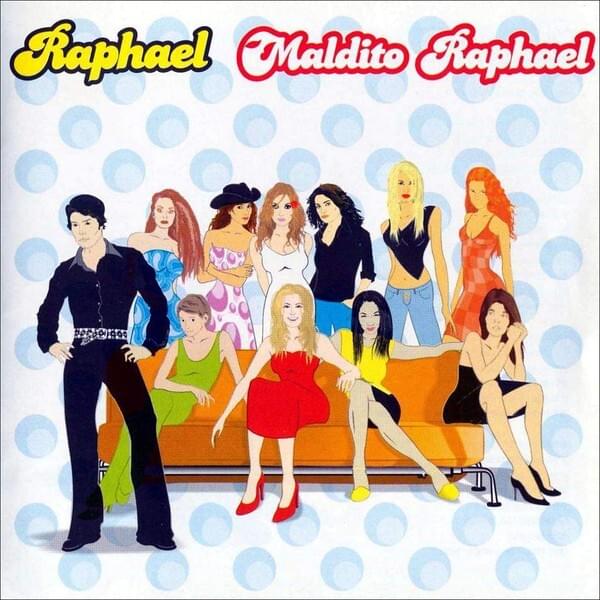
 View Artist