Song Meaning
The narrator opens with a deeply ingrained belief: men don't cry because it's cowardly. This initial stance paints a picture of a man who has internalized societal expectations about stoicism, believing that even immense suffering shouldn't break him. The lyrics suggest a hidden world of male emotional pain, describing 'wounds that are never shown.' This sets up a stark contrast with the emotional breakdown that follows.
The turning point arrives with a 'definitive goodbye,' a loss so profound it shatters the narrator's carefully constructed emotional armor. The sheer magnitude of 'so much love lost' forces him into a corner, literally weeping. This isn't a gentle sadness; it's a raw, overwhelming grief that bypasses his previous convictions.
The core of the song lies in this confrontation between learned stoicism and overwhelming emotional reality. The repeated phrase 'Los hombres lloran también' (Men cry too) becomes a defiant anthem against that initial, internalized 'cowardice.' It’s a powerful reframing, suggesting that true love and profound loss make crying not a weakness, but a testament to the depth of feeling.
This lyrical arc is effective because it grounds a universal human experience in a specific, relatable internal conflict. The repetition of the central phrase acts as a mantra, reinforcing the newfound understanding. The narrator’s journey from denial to acceptance, triggered by heartbreak, makes the final declaration feel earned and deeply resonant.
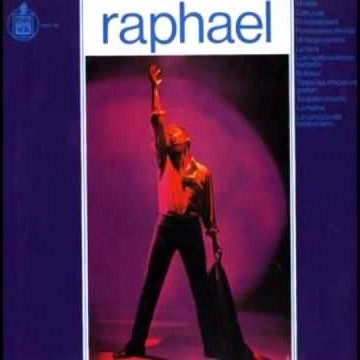
 View Artist