Song Meaning
The narrator’s love arrived with the night and departed with the day, leaving a bitter irony. This sudden departure is so profound that the narrator curses the sun, believing it stole both promises and faith. The contrast between day and night becomes the central axis of their emotional turmoil. The day brings hatred and the torment of absence, while the night offers a strange solace, a space where the pain of loss is momentarily suspended by the memory of love. This duality highlights a desperate dependence, where the darkness is not just a time but a state of being that holds onto what the light cruelly erases.
The core tension lies in this paradoxical relationship with the night. It’s the time that brings back the memory of love, a memory that fuels the narrator’s despair and reinforces their feeling of worthlessness without the beloved. Yet, this same night is also described as calming anxiety, a space where the narrator waits and believes in the return of their love. This creates a cycle of torment and fragile hope, where the night is both the source of pain and the only perceived escape from it, a constant reminder of their utter need.
The lyrics masterfully employ the day-night dichotomy to map the narrator's emotional landscape. The day represents a harsh reality, filled with hatred and the sting of abandonment. The night, however, is a liminal space, a refuge where the narrator can “envolver, enloquecer” (wrap themselves up, go crazy) with memories and a desperate hope. This recurring motif of the night as a double-edged sword—both tormenting and calming—is the song’s most potent device. It suggests that the narrator’s identity is so intertwined with the lost love that even the memory, amplified by the night, becomes a necessary torment.
This intricate dance between light and shadow, hatred and longing, makes the lyrics hit so hard. The narrator’s admission, “Que lo eres todo para mí” (That you are everything to me), coupled with the involuntary curse, “Yo te maldigo sin querer / Y es que te quiero a mi pesar” (I curse you unintentionally / And it’s that I love you despite myself), captures a raw, inescapable dependency. The night, in its embrace, forces a confrontation with this truth, making the absence of love a palpable, all-consuming force that defines their existence.
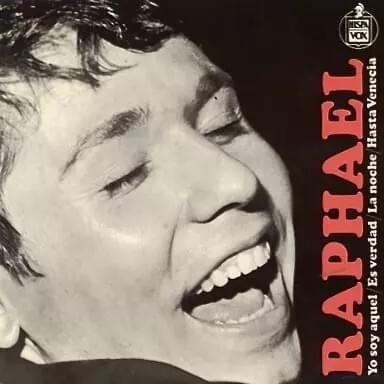
 View Artist