Song Meaning
This song paints a stark picture of a transactional relationship reaching its bitter end. The narrator declares their departure, asserting that they owe nothing and ask for nothing, having already settled their debt. The phrase "Que he pagao con oro tus carnes morenas" immediately frames the past intimacy as a commodity, bought and paid for, establishing a tone of finality and perhaps resentment.
The core tension lies in the narrator's insistence on a clean break, emphasizing that the relationship was a business deal gone sour. They reject any notion of lingering affection or obligation, stating "No te quiero / No me quieras." The repeated idea of payment, particularly "Bien paga, bien paga fuiste, mujer," underscores the narrator's perspective that the woman received her due, and now the narrator is free to move on, even admitting "Quiero a otra."
The most striking craft element is the consistent metaphor of financial exchange applied to emotional and physical intimacy. Words like "pagao," "oro," "puñao de parne" (a handful of money), and "joyas" are used to describe what should be tender moments. This economic framing strips the relationship of romance, reducing it to a series of transactions where both parties have profited and lost, but the narrator feels they have settled their account.
Ultimately, the lyrics' effectiveness comes from this brutal honesty and the cold, calculated language used to describe what was once presumably intimate. The narrator’s final statement about the new kiss being the only one they didn't pay for highlights the transactional nature of their past relationship, leaving the listener with a sense of finality and the lingering taste of a love that was bought, not felt.
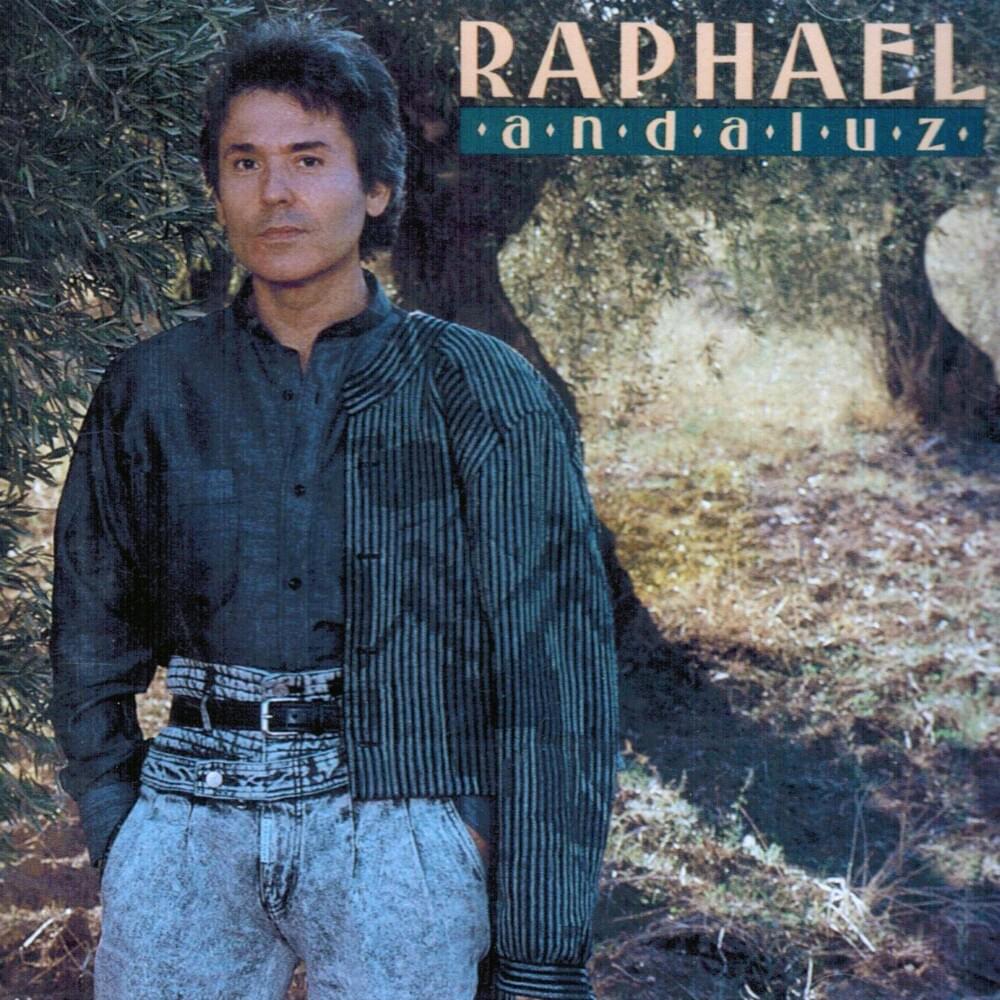
 View Artist