Song Meaning
This song paints a raw, immediate picture of heartbreak, where the narrator's world has collapsed since their love's departure. The opening lines hit hard, establishing a profound sense of emptiness and isolation: "Ya no estás más a mi lado, corazón." The dominant tone is one of utter desolation, a feeling that life itself has lost its meaning and color without the presence of the beloved.
The central tension arises from the narrator's intense devotion, which now feels like a cruel twist of fate. They describe their love as "la razón de mi existir" and "religión," indicating an all-consuming, almost sacred connection. This deep commitment makes the current suffering unbearable, as the very source of their past joy has become the cause of their present pain, leading to the bitter question of why they were made to love only to suffer more.
The lyrics masterfully employ contrast to highlight the depth of this loss. The love that once provided "El calor" and "luz a mi vida" has been extinguished, plunging the narrator into "soledad" and "vida tan obscura." This stark juxtaposition between a radiant past and a desolate present underscores the magnitude of the void left behind. The idea of love as a force that both illuminates and then extinguishes life is a powerful, almost paradoxical, image of its destructive potential.
What makes these lyrics so potent is their unvarnished emotional honesty and the directness of their expression. The narrator doesn't shy away from the intensity of their pain, framing their past love as a singular, unparalleled experience that defined their entire existence. The final desperate declaration, "Sin tu amor no viviré," encapsulates the overwhelming sense that their life is irrevocably tied to this lost love, making the present suffering feel like an existential crisis.
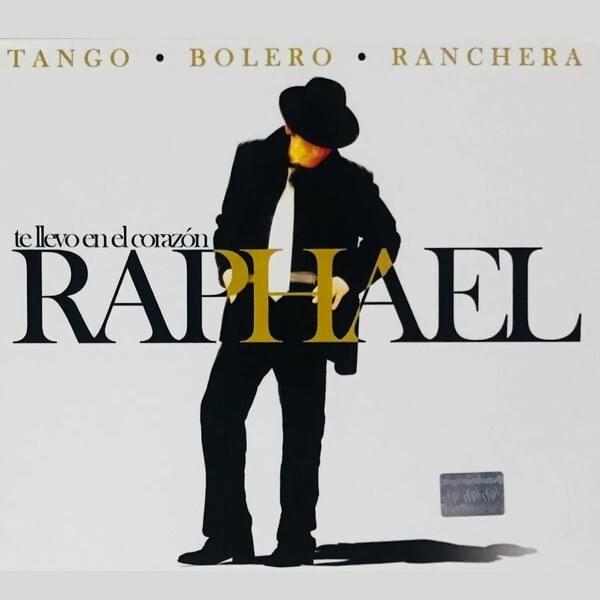
 View Artist