Song Meaning
The lyrics paint a stark, color-coded picture of love tied directly to proximity. The narrator's world turns a bleak 'gris' – gray – the moment their beloved is absent. This isn't just a mood; it's a total environmental shift where even the 'día' (day) becomes gray, mirroring the internal desolation. The repetition of 'gris, gris' hammers home this suffocating absence, making the color a visceral representation of loneliness.
When the beloved is present, however, the mood dramatically transforms into 'azul' – blue. This blue isn't melancholy; it's a vibrant, comforting hue, associated with the physical embrace and the dreams it inspires. The contrast between the oppressive gray of separation and the hopeful blue of togetherness is the central tension. The lyrics suggest that for this narrator, love's emotional landscape is entirely dictated by the physical presence of their partner.
The most striking craft element is the direct equation of emotions with specific colors, creating a simple yet powerful synesthesia. The phrase 'El amor siempre es de un color' (Love is always one color) explicitly states this, framing the experience as binary: either the joy of blue or the despair of gray. This directness, devoid of complex metaphor, makes the emotional state immediately accessible and impactful.
This lyrical approach works because it translates abstract feelings into concrete imagery. The gray isn't just sadness; it's the world losing its vibrancy. The blue isn't just happiness; it's the warmth of an embrace. The stark, almost childlike simplicity of the color associations makes the narrator's dependence on their partner's presence feel raw and profoundly felt.
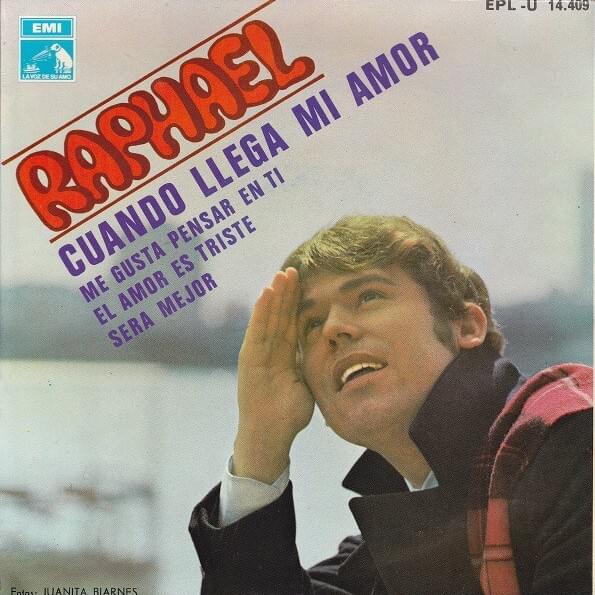
 View Artist