Song Meaning
The lyrics to "El amor" don't tell a story; they dissect a universal concept. This isn't a romantic ballad but a stark, almost clinical catalog of love's many faces. It immediately presents love as a series of profound contradictions. The opening lines, "Esa verdad, esa ilusión," set a tone of complex, often conflicting truths.
The core tension here lies in love's inherent duality. The lyrics consistently pair opposing ideas: "razón, esa locura" and "placer y a veces amargura." This isn't just about good versus bad; it's about how love simultaneously embodies both, creating a constant state of "inquietud" and "constante duda." It suggests love isn't a stable state, but a dynamic, often unsettling force.
Perhaps the most striking craft choice is the relentless use of paradox and the litany-like structure. Each line adds another layer to love's definition, often directly contradicting the last. Phrases like "oscuridad y luz" and the idea of "egoísmo de dar" challenge conventional notions, portraying love as a force that demands and takes as much as it gives. This isn't a gentle embrace; it's a "luchar," an "agonía."
Ultimately, the power of these lyrics comes from their unflinching honesty. They refuse to simplify love, instead embracing its full, often messy spectrum. By acknowledging love's autonomy – "lo quieras tú o no" – and its role as "el punto final" of life's big questions, the lyrics elevate it beyond mere emotion. They portray love as an inescapable, all-encompassing force, both beautiful and brutal, that defines human existence itself.
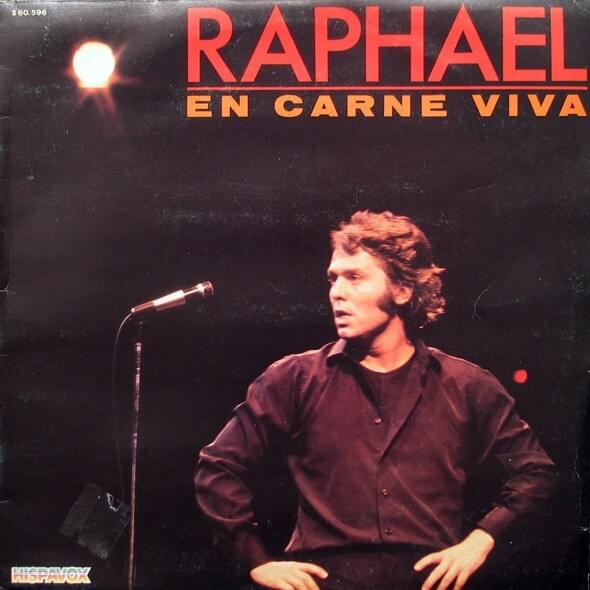
 View Artist