Song Meaning
The lyrics paint a vivid picture of a recurring dream, a phantom encounter that leaves the narrator perpetually yearning. The dream begins with a silent, smiling departure, a familiar sting that jolts the narrator awake into the lonely reality of an "espuma de mi cama." This immediate contrast between the dream's elusive presence and the waking world's emptiness sets a tone of persistent, unfulfilled longing. The dream isn't just a fleeting image; it's a persistent visitor.
This dream figure is both intensely present and impossibly distant, appearing "perdida entre las flores del jardín" or "perdida entre las líneas del papel." The narrator's attempts to connect, to "corro hacia tu lado" or "trato de atraparte," are always met with the figure's disappearance, echoing the initial silent smile and departure. This cycle of fleeting connection and immediate loss creates a central tension: the dream is a source of beauty and memory, yet it also perpetuates the narrator's isolation.
The most striking aspect is the concept of "Ayer" (yesterday). It's presented as something that "nunca se fue" (never left) and "nace cada día" (is born each day), paradoxically becoming closer and more distant simultaneously. This isn't just nostalgia; it's an active, daily re-creation of the past within the narrator's heart, filling their hours with memories that are as tangible as they are unreachable. The repeated phrase "Como ayer" underscores the cyclical, unchanging nature of this dream experience.
The effectiveness of these lyrics lies in their simple yet profound depiction of a love or connection that exists only in the subconscious, a beautiful torment. The imagery of the dream figure dissolving like foam or slipping through fingers captures the ephemeral nature of the encounter. The persistent return of "Ayer" transforms a past memory into an active, daily presence, a constant reminder of what is lost and what can never be fully grasped in waking life.
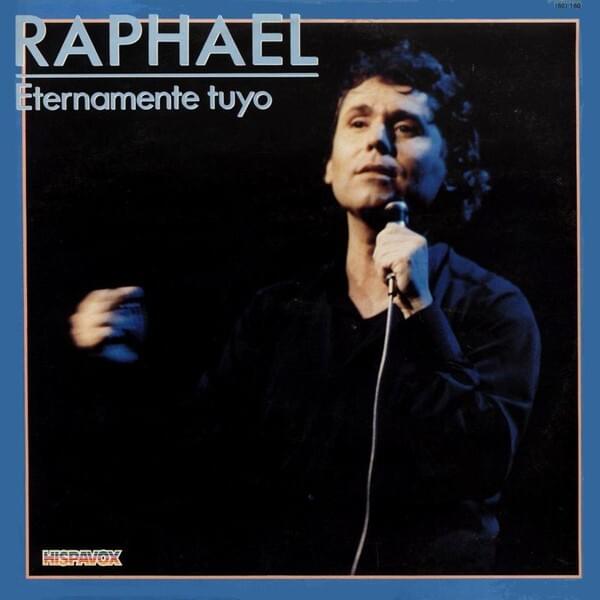
 View Artist