Song Meaning
The lyrics paint a picture of an artist reflecting on their life and career, marked by a profound shift in perspective that comes with time and experience. Initially, the narrator describes a past driven by competition, but now, with the passage of time, they've "left competition aside." This newfound clarity allows them to "see more clearly, hear better," and express gratitude for reaching this point. The repeated phrase "Ahora" (Now) emphasizes this transition from a past struggle to a present state of peace and self-awareness.
The central tension arises from the narrator's realization that despite achieving external validation – "applause" and "kisses" – the absence of a specific person leaves them feeling "bored, how unfortunate." This highlights a deep-seated longing that external success cannot fulfill. The narrator can "say it louder" but not "clearer," suggesting that while their message is understood, the emotional core of what they love most – "a song, a theater, and you" – remains tied to this absent presence.
The most striking craft element is the juxtaposition of external success with internal emptiness. The narrator boasts about being "in shape, not tired" and having "no regrets," yet this is immediately undercut by the admission of how "bored" and "unfortunate" they feel without their loved one. This contrast powerfully illustrates that material or professional achievements are insufficient when a crucial personal connection is missing. The repetition of "a song, a theater, and you" solidifies this core triad of the narrator's loves, making the absence of "you" particularly poignant.
Ultimately, these lyrics resonate because they capture a universal truth about aging and success: external accolades fade in significance compared to genuine human connection. The narrator's journey from competitive striving to a place of quiet contentment, albeit tinged with personal melancholy, is rendered with a raw honesty. The final lines, "With a clear conscience, a deep peace / In my own way I have given all that I am," suggest a hard-won self-acceptance, even as the ache of absence remains a powerful undercurrent.
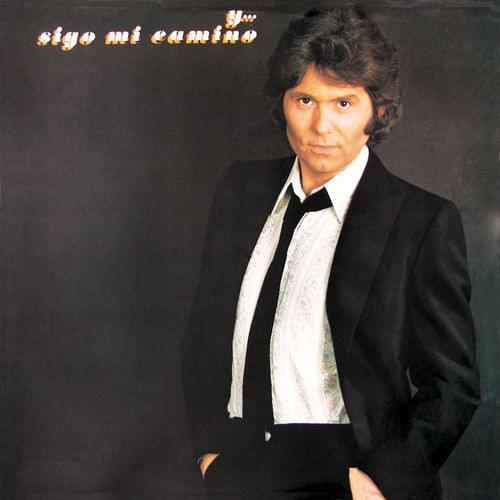
 View Artist