Song Meaning
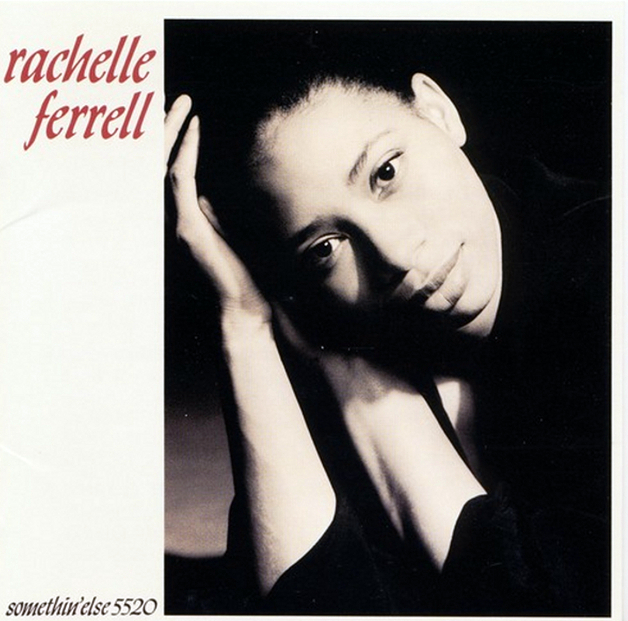
Rachelle Ferrell's rendition of "You Don't Know What Love Is" isn't just a song; it's a masterclass in emotional excavation. The track, a jazz standard covered by countless artists, achieves a particular resonance in Ferrell's hands, becoming a haunting meditation on the intimate relationship between love and profound loss. The lyrics, stark and direct, aren't interested in romantic platitudes. Instead, they delve into the hard-won knowledge that love's true depth is only revealed through suffering. The opening lines set the tone: "You don't know what love is / Until you've learned the meaning of the blues." This isn't about fleeting infatuation; it's about the kind of love that etches itself onto your soul, leaving an indelible mark even after it's gone. The blues, in this context, aren't just a musical style; they're the emotional currency of genuine experience.
The song's power lies in its unflinching exploration of heartbreak's multifaceted pain. It's not just about the absence of a loved one; it's about the lingering physical and emotional sensations that remain. "You don't know how lips hurt / Until you've kissed and had to pay the cost." This speaks to the almost phantom pain of longing, the way memories can trigger a visceral response long after the actual event. The imagery of flipping a coin and losing underscores the capricious nature of love, the sense that even the most heartfelt connections can be subject to fate's cruel whims. Ferrell’s interpretation emphasizes the idea that love's true weight is felt in its absence.
Ultimately, "You Don't Know What Love Is" is a song about the transformative power of grief. The bridge, with its poignant lines about lost reminiscing and tears tainting kisses, exposes the vulnerability that comes with deep emotional investment. The recurring refrain, "You don't know how hearts burn / For love that cannot live yet never dies," encapsulates the paradoxical nature of enduring love. It acknowledges that some loves, for whatever reason, are destined to remain unfulfilled, yet their impact continues to resonate, shaping our understanding of ourselves and the world around us. The final image of facing the dawn with sleepless eyes is a powerful metaphor for the enduring insomnia of heartache, the way lost love can keep us awake long into the night, forcing us to confront the raw reality of our own vulnerability. This isn't a celebration of love, but a somber acknowledgment of its cost.
 View Artist