Song Meaning
Rachelle Ferrell's "I Forgive You" isn't just a song; it's a masterclass in emotional liberation. Forget the saccharine sentimentality often associated with forgiveness anthems. This track dives deep into the gritty, often painful process of letting go, not for the sake of the offender, but for the survivor's own salvation. The repeated mantra, "I forgive you," becomes less about absolution and more about a personal declaration of independence from the shackles of resentment. Ferrell understands that holding onto anger is like drinking poison and waiting for the other person to die. The true act of forgiveness, as laid bare in this lyrics analysis, is a radical act of self-preservation.
The lyrical structure reinforces this introspective journey. The opening lines, "It doesn't really matter what you did anymore / It doesn't really matter what you did it for," might seem counterintuitive. Shouldn't the details of the offense matter? But Ferrell flips the script. The specifics are irrelevant because the focus isn't on justifying or excusing the actions, but on the speaker's internal state. This isn't about condoning; it's about choosing to no longer be defined by the transgression. The bridge further emphasizes this shift, as Ferrell sings, "I no longer want to hold on / To that which doesn't make me strong." This is where the song's true power lies: in the conscious decision to prioritize one's own well-being over the perceived need for justice or revenge.
Ultimately, the song meaning of "I Forgive You" transcends simple pardon. It's a roadmap for reclaiming agency after experiencing hurt. The "freedom just releasing from my heart / From my mind and soul" isn't a passive experience; it's an active choice, a battle fought and won within the self. Ferrell isn't offering a quick fix, but a testament to the arduous, yet ultimately rewarding, path toward wholeness. The repetition of "totally completely now" suggests that forgiveness isn't a one-time event, but a continuous process of reaffirming one's commitment to healing and moving forward. The raw emotion in Ferrell's vocal delivery only amplifies the sincerity of this message, solidifying the song's place as a powerful statement on the transformative potential of self-forgiveness.
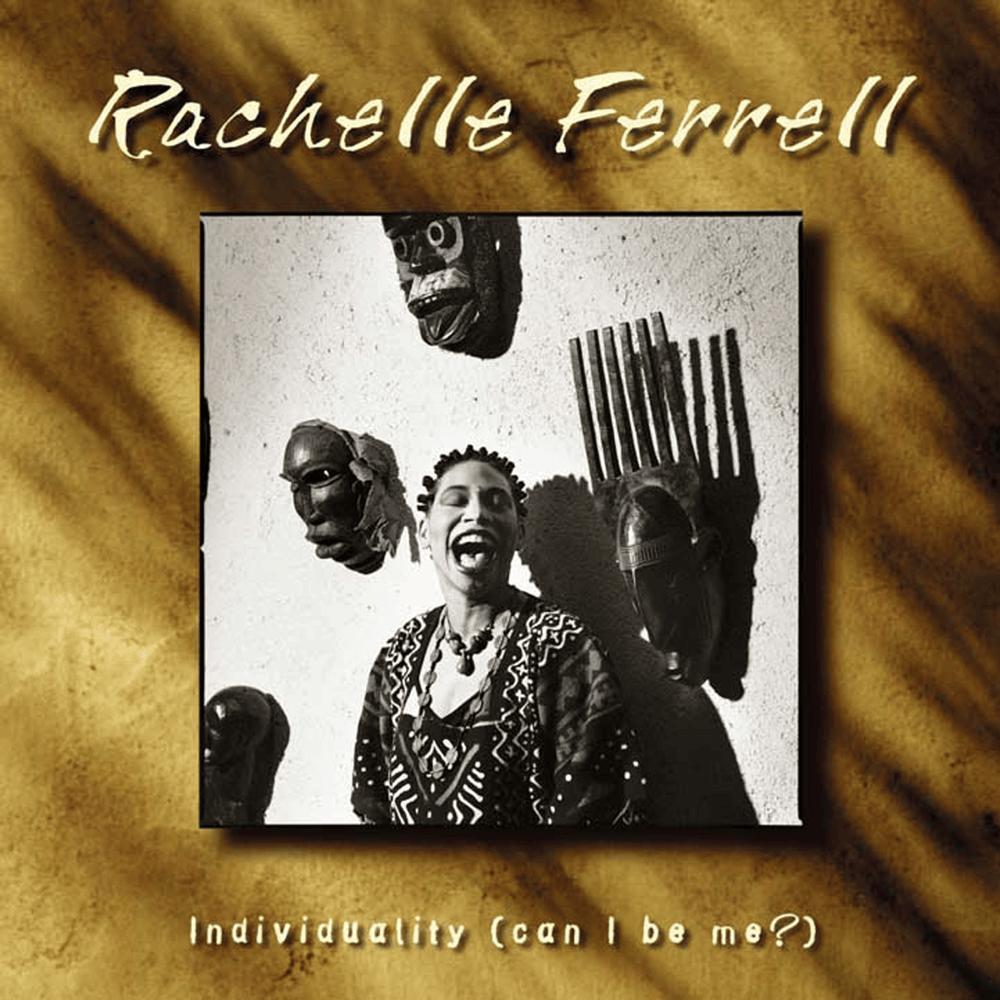
 View Artist