Song Meaning
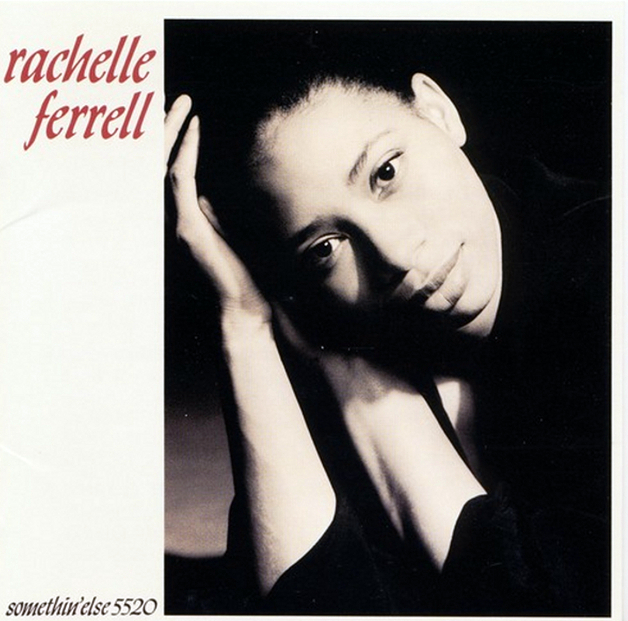
Rachelle Ferrell's "With Every Breath I Take" is a masterclass in quiet desperation, a torch song for the ages rendered with the singer's signature vocal virtuosity. The song meaning isn't buried in obtuse metaphors; it’s laid bare in the opening lines: a persistent, haunting dream of a lost love that permeates every waking moment. This isn't a fleeting memory; it’s an omnipresent reality, a psychological anchor dragging the narrator down into an ocean of grief. The simplicity of the language – "There's not a morning that I open up my eyes / And find I didn't dream of you…" – amplifies the profoundness of the experience. It’s the banality of loss, the way it seeps into the mundane and transforms the ordinary into a constant reminder of what's gone.
Ferrell expertly captures the feeling of being adrift, unmoored from a future that was once jointly envisioned. The lyrics allude to a promise broken, a "forever" that evaporated, leaving the singer lost at sea. This isn't just heartbreak; it's a fundamental reorientation of one's internal compass. The poignant line, "Out on a lonely sea that only you can chart," speaks volumes about the dependency and vulnerability inherent in deep connection. The lost lover wasn't just a partner; they were the navigator, the one who provided direction and purpose. Now, the narrator is left to navigate treacherous waters alone, guided only by the painful rhythm of her own breath.
The repetition of "With ev'ry breath I take" is not mere lyrical flourish; it’s the crux of the song's devastating power. Each breath, the very essence of life, becomes a reminder of the pain. It's a relentless cycle, a physiological metronome counting down the moments until the heart inevitably breaks. The song's genius lies in its ability to transform a universal experience – heartbreak – into something deeply personal and visceral. Rachelle Ferrell doesn't just sing about loss; she embodies it, leaving the listener breathless with empathetic sorrow. The lyrics analysis reveals the raw nerve exposed, a testament to love's enduring power and its capacity to wound even in absence.
 View Artist