Song Meaning
The lyrics grapple with a profound sense of rejection, framed by a direct, almost childlike plea: "Why do you hate me so much?" The narrator questions their actions and words, wondering if a specific misstep or a shift in perception has caused this perceived animosity. There's a desperate need for validation, a hope that the other person's negative feelings are temporary or based on a misunderstanding. The repeated question underscores a deep insecurity and a fear of having irrevocably damaged the relationship.
The core tension lies in the narrator's self-blame versus the desire for external explanation. They cycle through possibilities: "Did I do something to upset?" or "Did I say something to reverse?" This internal debate suggests a struggle to pinpoint the cause, leading to a painful self-interrogation. The lyrics then pivot, questioning whether the other person's positive affirmations were ever genuine, hinting at a potential betrayal of trust or a fundamental misreading of the relationship's foundation.
A striking element is the stark contrast between the desire for closeness and the reality of distance. Phrases like "Closer together" are juxtaposed with "Farther apart," and "As one" with "Opposite extremes." This creates a powerful sense of emotional whiplash, mirroring the instability of the relationship. The rapid-fire list of time units, from "Hour" to "Century," culminating in "Decay," suggests a slow, inevitable erosion, a feeling that time itself is working against them and contributing to the breakdown.
Ultimately, the lyrics resonate because they capture the painful vulnerability of seeking love while simultaneously fearing one's own capacity for error. The narrator's eventual turn inward, asking "Why do I hate myself so much / To be expecting you to explain it?" is a moment of heartbreaking self-awareness. It suggests that the external rejection might be amplified by a pre-existing self-loathing, making the search for answers both futile and deeply personal.
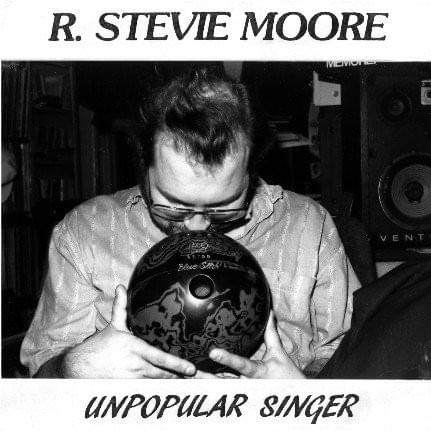
 View Artist