Song Meaning
R. Stevie Moore's "Warsh Yer Willy" isn't some quaint hygiene PSA; it's a gleefully crude, almost dadaist jab at male promiscuity and the potential consequences. The repeated litany of conquests – Patty, Betty, Peggy, Fanny – quickly establishes a portrait of a character driven by pure, unadulterated libido. Moore's genius lies in the juxtaposition of this crude behavior with the almost childlike refrain, "Warsh yer willy," transforming a basic sanitation directive into a sardonic commentary on responsibility and the potential for disease. The song's meaning resides in this tension: the childish simplicity of the chorus set against the adult (and arguably reckless) behavior it attempts to address. It's a musical equivalent of a playground taunt, but with the weight of sexually transmitted infections hanging in the air. The sing-song quality of the melody, coupled with the jarring explicitness of the lyrics, amplifies the discomfort, forcing the listener to confront the often-unpleasant realities of casual sex.
The interjections – "What'd you expect? Respect? Genuflect! Don't go unchecked! Disinfect!" – serve as both a mocking Greek chorus and a blunt warning. Moore isn't simply condemning the behavior; he's highlighting the absurdity of expecting admiration or reverence in its wake. The references to "rubber, brother" and "Trojan on your sojourn" leave no room for ambiguity. This isn't about romance; it's about a series of fleeting encounters, underscored by the ever-present threat of infection. The use of vintage slang and antiquated names (Ethel, Lucy) adds another layer, suggesting that this pattern of behavior is timeless, a recurring theme in the human (specifically male) experience.
Ultimately, "Warsh Yer Willy" functions as a kind of grotesque morality play, masked as a novelty song. The song meaning isn't hidden; it's deliberately, almost aggressively, on the surface. It's a challenge to the listener: to laugh, to squirm, to reflect on the complexities and potential pitfalls of sexual freedom. The constant refrain acts as a nagging conscience, a persistent reminder that even in moments of pleasure, responsibility – and perhaps a healthy dose of self-awareness – should never be entirely abandoned. Moore's brilliance is in making this cautionary tale so absurdly, unforgettably catchy.
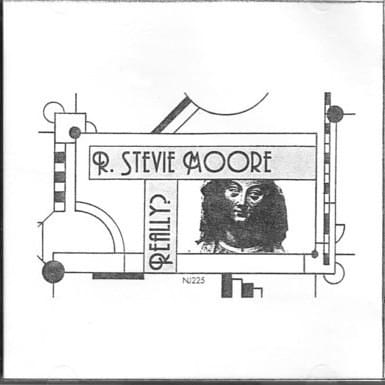
 View Artist