Song Meaning
R. Stevie Moore's "Abomination" unfolds as a masterclass in self-deprecating irony, a compact psychodrama of ambition, delusion, and the rude awakening that follows. The song spirals from a fantasy of triumphant validation into a stark confrontation with reality, all delivered with Moore's signature lo-fi aesthetic that amplifies the inherent vulnerability. The initial verses paint a picture of pure, unadulterated wish fulfillment: standing on a grand stage, basking in applause, finally "come of age." This saccharine scene, however, drips with an almost theatrical artificiality, a hyper-positive feedback loop of "thank you" repetitions that hints at the fragile ego propping it all up. The repetition itself becomes a form of anxious self-soothing, as if the affirmation is necessary to maintain the illusion. The listener knows, even if the dreamer does not, that the fall is imminent.
The lyrical shift is brutal. The dream shatters, replaced by the cold realization of its "stupid[ity]." The possibility of such success is dismissed outright, deemed impossible, "not in a million years." This isn't just disappointment; it's a profound deflation, the collapse of an aspirational self. The imagery then twists into something more existential, as Moore fixates on the clock, unable to decipher its meaning. This disorientation speaks to a deeper anxiety about purpose and direction. The inability to "read the thing" suggests a loss of control, a feeling of being adrift in the mundane reality he so desperately wanted to escape.
The final lines blur the lines between work and play, questioning whether his creative expression is a form of labor or a source of joy. The self-referential nod to "the lyrics that I have to say" further complicates the song's meaning. Is the entire performance a commentary on the artist's struggle to reconcile his artistic ambitions with the limitations of his reality? "Abomination" ultimately becomes a poignant exploration of the gap between dreams and reality, a testament to the human tendency to both crave and fear recognition, filtered through R. Stevie Moore's uniquely skewed lens.
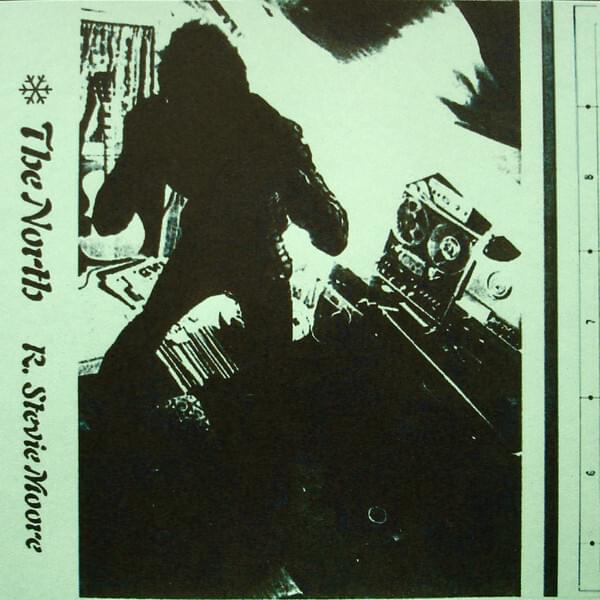
 View Artist