Song Meaning
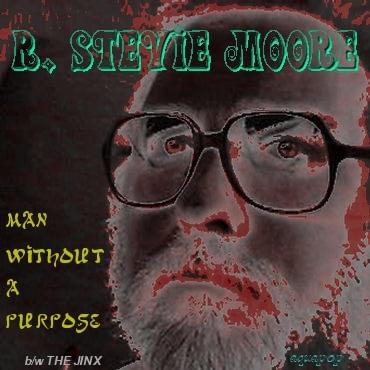
R. Stevie Moore's "Man Without A Purpose" isn't just a character study; it's a stark mirror reflecting existential dread. The song paints a portrait of a man adrift, deliberately cut off from connection and meaning. He's not a victim of circumstance, but rather an active participant in his own isolation, seeking "his own desire" while simultaneously rejecting wisdom and understanding. The fire he stares at becomes a symbol of both comfort and destruction, a contained inferno mirroring the turmoil within. Moore's genius lies in capturing this self-imposed exile with such raw simplicity.
The lyrics suggest a deep-seated cynicism at the core of this purposelessness. The man "laughs at understanding," implying a conscious rejection of enlightenment or connection. He's unwilling to pay the emotional price for meaning, choosing instead to remain entrenched in his solitary state. This isn't mere apathy; it's an active defiance, a refusal to engage with the world on its terms. The repetition of "without meaning without plan" hammers home the emptiness that defines him.
But the final verse introduces a flicker of something more complex. The man's inability to believe in "mercy, truth or grace" reveals a possible source of his despair. It's not simply a lack of purpose, but a profound disillusionment. The closing image of tears rolling down his face exposes the pain masked by his cynicism. And the final, almost sarcastic, line "Well thanks a lot" suggests the singer doesn't want to be this man, perhaps already seeing the seeds of the same despair in himself. The song's power isn't in condemning the man without a purpose, but in forcing us to confront the possibility of becoming him.
 View Artist