Song Meaning
The lyrics paint a picture of a desperate, almost comatose state, a "kookie coma," where the narrator feels utterly depleted, "nothing left to give." This isn't a peaceful rest, though; it's a struggle "just to live." The intense desire for connection, expressed with raw vulnerability like "I want you so badly I cry," fuels this state. The plea "Get in you to use me / Tonight por favor" reveals a yearning for validation or perhaps oblivion through another's attention, highlighting a profound emptiness.
The central tension lies in this paradox of intense desire clashing with total depletion. The narrator is simultaneously reaching out with all their might and admitting they have nothing left to offer. This is amplified by the fragmented, multilingual phrases like "Looky o va," "Mucho bimba," and "Bueno cara se," which suggest a breakdown in clear communication or a descent into a more primal, less articulate state. The idea of refusing the "neophyte" and preventing "mistake behavior" hints at a self-imposed or externally enforced isolation, even amidst the desperate plea for interaction.
A striking element is the contrast between the narrator's internal collapse and the external world's striving. While "everyone is working hard / Improving on their verbal sharp," the narrator seems resigned to their "kookie coma." The repeated phrase "Kookie coma anyway" suggests an inevitability, a final destination regardless of external efforts or personal struggles. This resignation is underscored by the idea that "broken hearts will say / Kookie coma anyway," implying that this state is a common, perhaps even expected, outcome for those who have experienced deep emotional pain.
Ultimately, the lyrics resonate because they capture a feeling of profound exhaustion and a desperate, almost nonsensical, grasp for relief or connection. The fragmented language and the stark imagery of fighting to live while having nothing to give create a powerful portrait of emotional and existential burnout. The repeated "Kookie coma" acts as a mantra of surrender, a surrender that feels both tragic and, in its own way, a form of final, albeit broken, clarity.
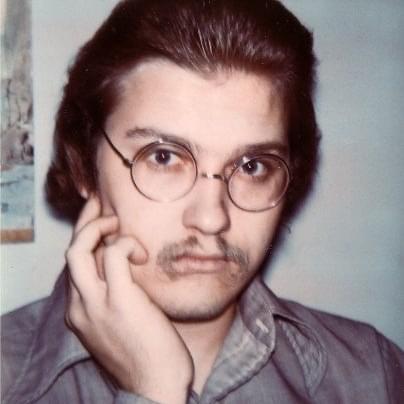
 View Artist