Song Meaning
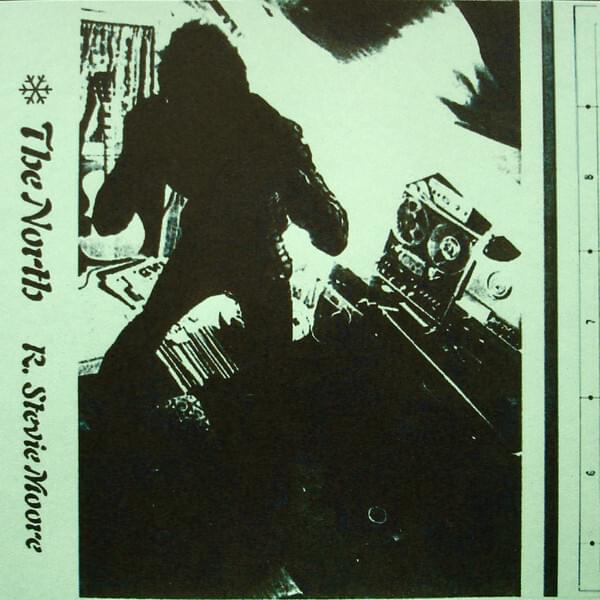
R. Stevie Moore's rendition of "God Only Knows" strips away the lush instrumentation and vocal harmonies of The Beach Boys' original, exposing the raw nerve of codependency beneath. The song, in Moore's hands, becomes less a declaration of unconditional love and more a stark admission of existential dread. The opening lines, seemingly lifted straight from a lounge act's introduction, carry a hint of irony, a self-aware nod to the song's saccharine potential. But as Moore repeats the central plea – "God only knows what I'd be without you" – the sentiment curdles into something far more unsettling. It's not just love; it's a dependence so profound that the prospect of separation evokes a void, an unfillable emptiness.
The lyrics themselves are deceptively simple, almost childlike in their repetition. Yet, this simplicity amplifies the underlying anxiety. The conditional nature of the opening lines, "I may not always love you," immediately undermines the promise of eternal devotion. Instead, it establishes a fragile foundation built on the contingency of external validation. The singer's worth, his very reason for being, is inextricably linked to the presence of the other. This dependency isn't portrayed as a joyful bond, but as a precarious lifeline in a world devoid of meaning.
Moore's interpretation doesn't shy away from the darker implications of this attachment. The line, "The world could show nothing to me, so what good would living do me," is a chilling acknowledgment of the singer's diminished sense of self. Without the object of his affection, life itself becomes a hollow exercise. It’s a confession of emotional vulnerability, a plea for reassurance masked as a love song. The repetition of "God only knows what I'd be without you" functions less as a romantic affirmation and more as a desperate mantra, a fragile shield against the abyss of self-annihilation. Ultimately, the song meaning, as channeled through Moore's lo-fi aesthetic, reveals the unsettling truth about love's potential to morph into an all-consuming need.
 View Artist